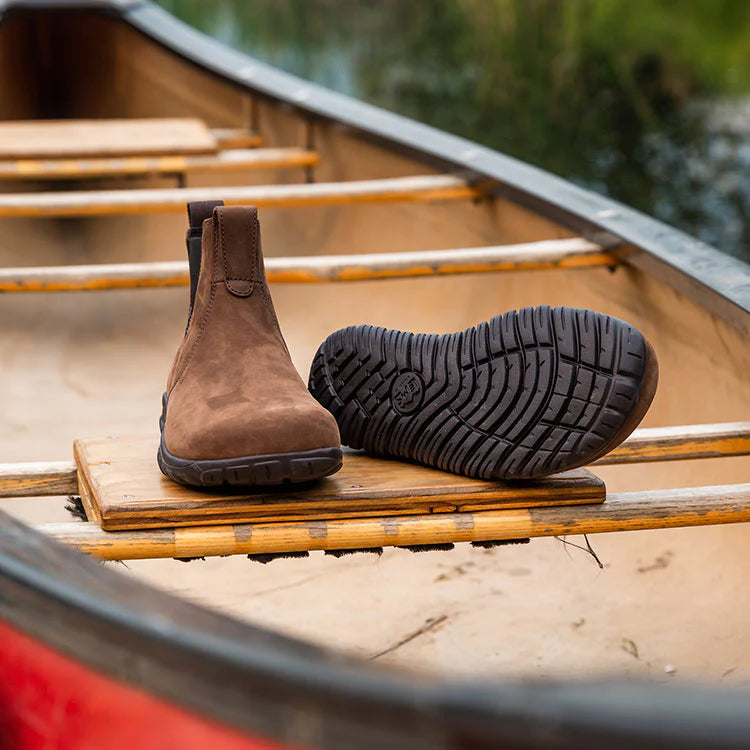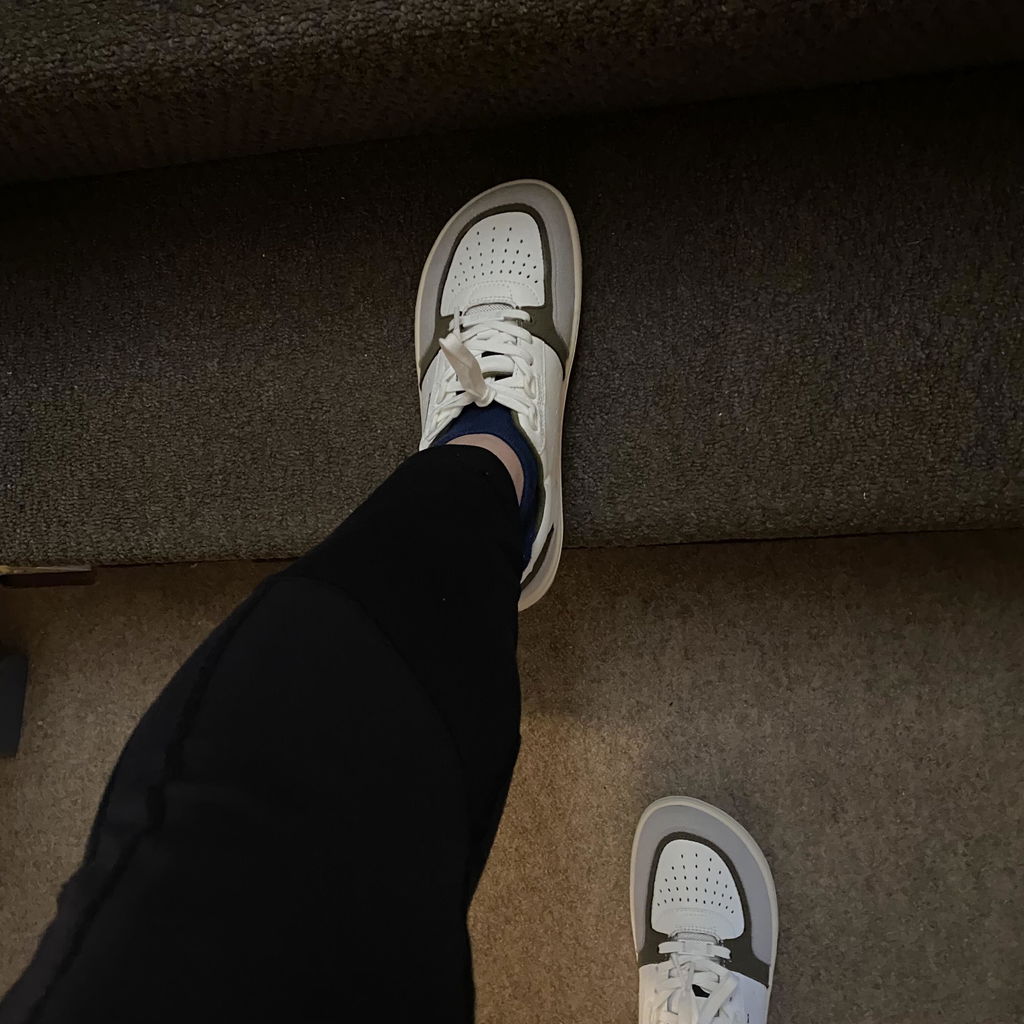



Switching to barefoot shoes can be a game-changer for your posture, balance, and foot health. But for many people, that first step brings an unexpected challenge — arch and foot pain.
If you’ve recently transitioned to barefoot shoes and thought, “my heel is painful when I walk,” don’t panic. This discomfort is often temporary and part of your body’s natural adjustment process. However, there are other potential causes of arch, foot and heel pain symptoms to be aware of, which are explained below.
The good news? In most cases this discomfort is temporary, manageable and reversible with the right combination of support, strengthening, and recovery.
Common Causes of Heel and Arch Pain
1. You’re Transitioning to Barefoot Shoes
Traditional shoes with raised heels, tight toe boxes, and built-in arch supports have done most of the work for your feet over the years. When you switch to minimalist barefoot shoes, your muscles must suddenly awaken, stabilise, and move to support you as nature intended — and that’s where discomfort can start.
Here’s what’s going on behind the scenes:
-
Muscles are reawakening: Barefoot shoes activate foot and calf muscles that may have been underused for many years.
-
Your alignment is changing: Zero drop barefoot shoes don’t feature the heel lift found in most traditional shoes. This encourages a natural gait and posture, which can initially stretch and strain tissues like the Achilles tendon or plantar fascia, causing discomfort.
-
You may be doing too much too soon: Jumping straight into long walks or runs when transitioning to barefoot shoes can overload your feet before they’re ready — remember to take it slow.
While this might feel discouraging, mild soreness is usually a good sign — your feet are rebuilding their natural strength and flexibility, and this initial discomfort should fade over time.
2. Plantar Fasciitis (Irritated Plantar Fascia)
Plantar fasciitis is a common cause of heel and arch pain, including during the transition to barefoot shoes. As your heel lift is removed and foot muscles begin working again, the plantar fascia can be placed under new load.
If this tissue is already tight or irritated, you may feel soreness near the heel or through the arch, especially first thing in the morning or after longer periods on your feet.
3. Weak or Underactive Foot Muscles
The transition to barefoot shoes activates tendons and muscles that may have been underused for years. As these muscles reawaken and strengthen, temporary fatigue or aching through the arch, midfoot and calves is common — especially if your feet aren’t yet conditioned for longer wear.
4. Tight Calves and Achilles Tendon
Removing the heel elevation found in traditional shoes and transitioning to zero drop footwear encourages a more natural ankle position, which can place additional stretch on tight calves and the Achilles tendon.
This tension often transfers load into the heel and arch, contributing to discomfort during the early stages of transition.
5. Doing Too Much, Too Soon
Jumping straight into long walks, standing all day, or high-impact activity when transitioning to barefoot shoes can overload your feet before they’ve had time to strengthen and adapt. Gradual exposure is key to allowing tissues to strengthen without becoming irritated.
👉 Explore Bprimal’s range of recovery tools and foot-strengthening accessories to help ease the transition to barefoot shoes.

How to Relieve Arch & Foot Pain When Transitioning to Barefoot Shoes
Transitioning to barefoot shoes safely is all about patience and consistency. Try these proven methods to support recovery and long-term comfort:
1. Take It Slow
Start small — wear your barefoot shoes for 30–60 minutes per day and gradually increase wear time as tolerated. This allows your muscles and tendons to strengthen safely without overloading them.
It’s all about the transition! Take it slowly, and trust the process — your feet will thank you.
2. Strengthen Your Feet
Add daily exercises like toe spreads, calf raises, and towel scrunches to build arch stability. Tools like the Bprimal ToeFlex Bands and the Fasciitis Fighter R2 are great for targeting foot muscles and improving flexibility.
👉 Related Resources: Read Simple Foot Exercises to Strengthen Your Arches and Toes
3. Massage and Release Tension
Tight calves and plantar fascia are common contributors to arch pain. Use a Cork Massage Ball or Cork Foot Roller to gently roll out your arches and calves. This improves circulation, releases tension, and speeds recovery.
4. Try Toe Spacers for Realignment
Using Correct Toes Toe Spacers can help restore your natural toe splay, balance your body, and reduce stress on your arches — especially during long periods of standing or walking.
5. Rest and Alternate Footwear
If pain persists, alternate between barefoot shoes and transitional footwear or minimal shoes with light support. Listen to your body; mild soreness is fine, sharp pain is not.
6. Try Arch Support Insoles (When Needed)
When transitioning to barefoot shoes, some people benefit from temporary arch support while their feet adapt and strengthen. If your arches feel fatigued or sore, a supportive option like PR Gear Bridge Soles can help reduce strain through the arch and plantar fascia without blocking natural movement.
Think of arch support as a short-term tool rather than a permanent fix. Products like the Bridge Soles are designed to be a ‘bridge’ — to help relax and take pressure off your foot and lower leg while they gradually strengthen, until the arch supporting insoles are no longer needed.
How to Relieve Plantar Fasciitis When Transitioning to Barefoot Shoes
Plantar fasciitis is one of the most common concerns during a footwear transition, especially if the plantar fascia is already tight or irritated. The goal is to reduce load, restore tissue capacity, and build strength gradually.

To support plantar fasciitis relief and recovery:
-
Use targeted self-massage tools like a cork ball or roller to ease tension through the arch and heel
-
Strengthen the foot and lower leg with controlled, progressive exercises
-
Avoid aggressive stretching or sudden increases in walking or standing time
👉 For extra support, explore our Plantar Fasciitis Relief Bundle, which includes foot massage and strengthening tools designed to support relief and recovery. You can also follow a structured rehab approach with our Fasciitis Fighter exercise library, featuring guided exercises to improve strength, mobility, and load tolerance.
A consistent, gentle approach works best — small daily actions add up to lasting relief.
The Role of Arch Supporting Insoles
If you’re feeling consistent arch discomfort, using arch supporting insoles can provide temporary relief while your feet adapt. Products such as plantar fasciitis arch support insoles are designed to cushion sensitive areas, reduce strain, and support healthy alignment during the transition phase.
👉 Shop quality arch support insoles for plantar fasciitis relief: P.R Gear Bridge Soles - 3/4 Length Insoles with Met Pad
When to Seek Professional Help
If your arch and foot pain lasts for several weeks, doesn’t gradually improve, or becomes severe, consult a podiatrist or physiotherapist familiar with barefoot principles. They can analyse your gait, suggest corrective exercises, and recommend whether plantar fasciitis arch support insoles or recovery footwear might help in your specific case.
Arch and Foot Pain – Common Questions
Q: What is the best plantar fasciitis arch support?
The best plantar fasciitis arch support provides gentle lift under the arch, cushioning at the heel, and flexibility that allows natural foot movement rather than rigid correction.
Q. Why do I suddenly have heel and arch pain?
If your heel is painful when you walk or your arch feels tight, it could stem from one or more of these causes:
-
A rapid increase in barefoot shoe wear time
-
Plantar fasciitis is a common cause of pain in the heel and arch of the foot
-
Tight calf muscles pulling on the plantar fascia
-
Weak intrinsic foot muscles
-
Standing or walking for long hours on hard surfaces
Q: Should I wear arch supporting insoles all the time?
Arch supporting insoles are best used during high-load activities or painful periods, while gradually strengthening your feet to reduce long-term reliance.
Q: Can barefoot shoes cause arch pain?
Barefoot shoes don’t cause arch pain directly, but they can expose weakness or tightness in foot muscles if the transition is too fast and the feet need time to strengthen and adapt.
Q: How long does arch pain take to go away?
Mild arch and foot pain often improves within a few weeks when load is managed, muscles are strengthened, and recovery is prioritised.
Where to Buy the Best Arch Support and Barefoot Gear
Transitioning to barefoot footwear doesn’t have to be painful — and the right tools make all the difference. At Bprimal, we specialise in foot health and natural movement, offering a wide range of minimalist footwear, and foot strengthening and recovery tools.
Visit one of our physical stores for expert guidance, or explore our full range of barefoot shoes and recovery gear online at bprimal.com.au
📍 Bprimal Melbourne – Northcote VIC
📍 Bprimal Sydney – Neutral Bay NSW
Final Thoughts: Patience Leads to Pain-Free Movement
Experiencing arch and foot pain when transitioning to barefoot shoes is common, but it’s rarely permanent. Through gradual wear, strengthening exercises, and supportive tools like arch supporting insoles, you can improve the strength, mobility and resilience of your feet.
Your feet are your foundation — treat them with patience and the right support, and you’ll rediscover the freedom and comfort they were designed for.
Take the next step toward stronger feet today — visit Bprimal online or in-store to get started.