


New Zealanders have a deep connection to the outdoors. Whether it’s coastal walks, mountain trails, or everyday life spent closer to nature, there’s a growing awareness around making choices that are better for both our bodies and the environment.
That’s one reason more people are turning to barefoot shoes New Zealand wide — not just for comfort and foot health, but because they offer a more sustainable alternative to traditional footwear.
Unlike fast fashion shoes designed for short-term wear, barefoot shoes are built around durability, versatility, and natural movement. They encourage people to buy less, wear longer, and move more mindfully through everyday life.
👉 Explore our full range of barefoot shoes designed for natural movement and long-term comfort.

Why More Kiwis Are Choosing Barefoot Shoes
In Aotearoa, sustainability is more than a trend — it’s part of everyday life. Many New Zealanders actively look for ways to reduce waste, choose durable products, and support a healthier relationship with the environment.
Footwear is increasingly becoming part of that conversation.
Traditional shoes are often heavily cushioned, overly structured, and designed around short product cycles. While they may seem convenient at first, they usually wear out quickly and contribute to unnecessary waste over time.
Barefoot shoes NZ shoppers are choosing instead focus on simplicity, longevity, and natural function. Rather than relying on thick soles and rigid support, they allow your feet to move the way they were designed to move.
That combination of comfort, durability, and mindful consumption is resonating with more people across New Zealand.
The Environmental Cost of Traditional Footwear
Most conventional footwear is built for short-term use. Synthetic materials, glued construction, and trend-based manufacturing often mean shoes end up in landfill far sooner than expected.
Fast fashion footwear contributes to:
-
excessive material waste
-
overconsumption
-
high manufacturing impact
-
frequent replacement cycles
Many people also find themselves buying separate shoes for different activities — walking, training, travel, casual wear, and outdoor use — which only increases consumption further.
For environmentally conscious shoppers, that cycle no longer makes sense.
How Barefoot Shoes Support Sustainable Living
Minimalist Design Uses Fewer Materials
One of the biggest advantages of barefoot footwear is its intentionally minimalist construction.
By removing unnecessary cushioning, rigid arch support, and bulky materials, barefoot shoes typically require fewer resources during production while also creating a lighter, more flexible feel underfoot.
That simplicity supports:
-
reduced manufacturing waste
-
lower material usage
-
lightweight comfort
-
longer-lasting flexibility

Durable Shoes That Last Longer
Well-made barefoot shoes are designed to handle daily wear across different environments, from city streets to hiking trails and travel adventures.
Rather than replacing worn-out shoes every few months, many people find themselves relying on one or two versatile pairs for years.
This longer lifespan helps reduce:
-
unnecessary consumption
-
landfill waste
-
repeat purchasing
It also makes barefoot footwear a smarter long-term investment.
Versatile Footwear for Everyday Movement
One of the most practical sustainability benefits of barefoot shoes is versatility.
A single pair can often be used for:
-
everyday walking
-
gym training
-
travel
-
light hiking
-
commuting
-
casual wear
Instead of owning multiple highly specialised shoes, many people simplify their footwear collection down to a few reliable options.
👉 Explore our collections for:
Popular Barefoot Shoe Brands in New Zealand
Many people searching for barefoot shoes New Zealand wide are also looking for trusted minimalist footwear brands that combine natural movement with durability and sustainability.
At Bprimal, we stock carefully selected barefoot footwear designed to support everyday comfort, outdoor adventures, and long-term foot health.
Vivobarefoot Shoes
Vivobarefoot shoes remains one of the most recognised names in minimalist footwear. Known for ultra-flexible soles and lightweight construction, many Vivobarefoot styles also incorporate recycled and responsibly sourced materials.
For shoppers looking for vivo barefoot New Zealand options that balance performance with sustainability, the brand continues to be a popular choice.
Lems Shoes
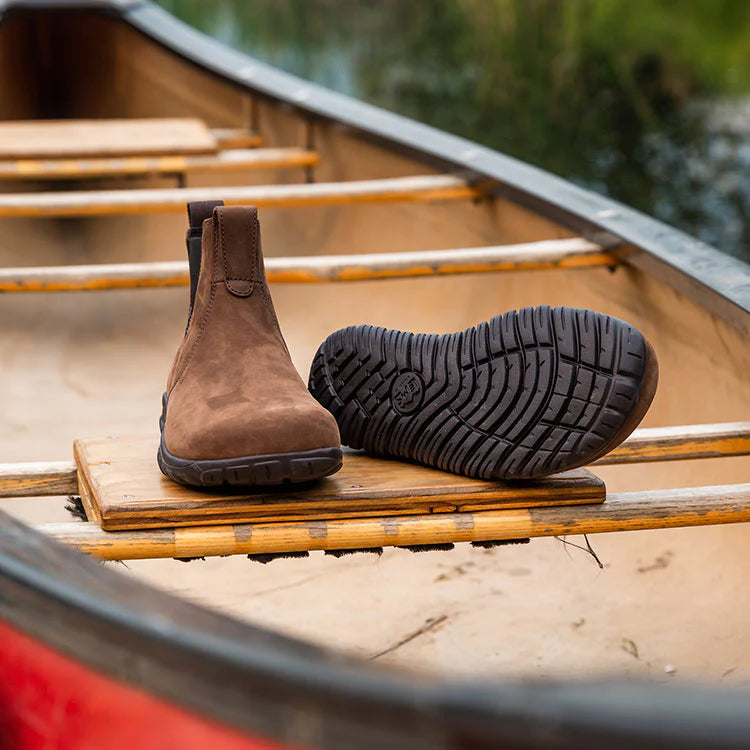
Lems shoes NZ customers love are designed around comfort, flexibility, and natural movement. Their lightweight feel and practical styling make them ideal for travel, everyday wear, and people who spend long hours on their feet.
Minimalist Footwear for Real Life
Barefoot footwear has evolved well beyond niche running shoes. Today, many New Zealanders wear barefoot shoes across all areas of life because they support natural movement without compromising versatility or comfort.

How Barefoot Shoes Support Long-Term Foot Health
Sustainability isn’t only about reducing environmental impact — it’s also about investing in products that support your body over the long term.
Traditional footwear can weaken natural foot function by limiting movement and relying heavily on artificial support. Barefoot shoes take the opposite approach by encouraging your feet to move and stabilise naturally.
Many people find barefoot shoes help:
-
strengthen foot muscles
-
improve posture and alignment
-
encourage better balance
-
support natural walking patterns
-
reduce reliance on heavily supportive footwear
Combined with gradual transition and consistent movement, barefoot footwear can become part of a more mindful and sustainable approach to overall wellbeing.
👉 Explore our range of foot health tools designed to support healthy movement and recovery.

Bprimal’s Commitment to Sustainability
At Bprimal, sustainability extends beyond footwear itself. We believe natural movement and environmental responsibility should go hand in hand.
That’s why we focus on products and practices that support long-term wellbeing while helping reduce unnecessary waste.
Our approach includes:
-
durable barefoot footwear built for long-term wear
-
recyclable packaging materials
-
FSC® certified paper from responsibly managed forests
-
eco-conscious foot care tools including cork rollers and wooden accessories
We also continue working toward more sustainable packaging and operational practices wherever possible.
Learn more about our commitment to sustainability.

Frequently Asked Questions About Barefoot Shoes NZ
Are barefoot shoes good for everyday wear?
Yes. Many people wear barefoot shoes daily for walking, commuting, travel, gym sessions, and casual activities because they’re lightweight, flexible, and comfortable once properly adjusted to.
Are barefoot shoes better for the environment?
Many barefoot shoe brands focus on sustainability by using fewer materials, durable construction methods, recycled fabrics, and long-lasting designs that help reduce waste over time.
What’s the difference between barefoot shoes and regular shoes?
Traditional shoes often feature elevated heels, thick cushioning, and narrow toe boxes that restrict natural movement. Barefoot shoes use flexible soles, wide toe boxes, and zero-drop construction to support more natural foot function.
How long does it take to transition to barefoot shoes?
Transitioning varies from person to person. Most people benefit from gradually increasing wear time over several weeks while allowing their feet and lower legs time to adapt naturally.
Final Thoughts
Choosing barefoot shoes New Zealand shoppers genuinely love isn’t just about comfort — it’s about making more thoughtful decisions around movement, health, and sustainability.
By investing in durable, versatile, and naturally designed footwear, you’re choosing shoes that support both your body and the environment over the long term.
For many people, it’s a shift away from fast fashion and toward buying fewer things that simply work better.
Ready to make the switch? Explore our full range of barefoot shoes NZ and discover natural movement designed for everyday life.