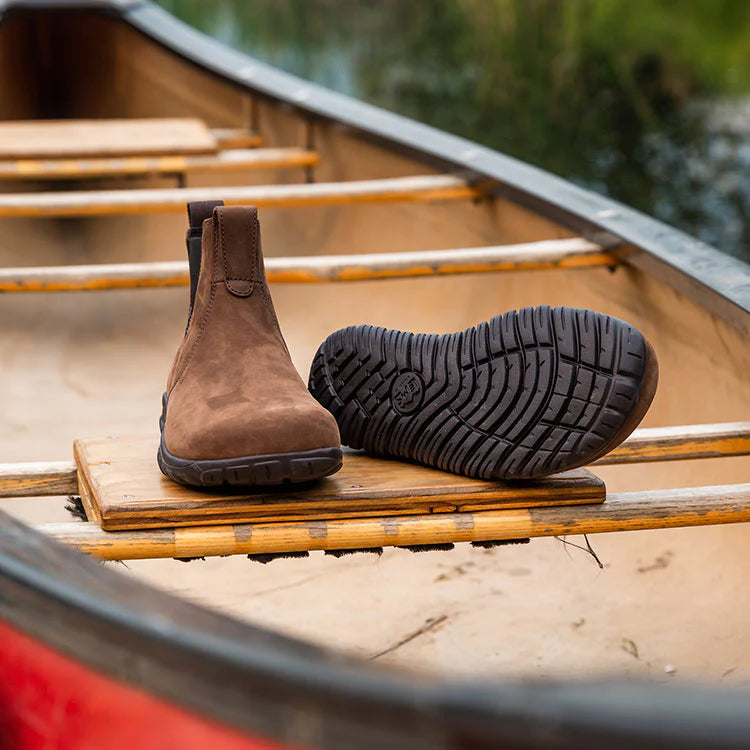



If you’ve been searching for barefoot shoes in Sydney, you’ve probably already realised something important: barefoot shoes fit very differently from conventional footwear!
At our Bprimal Neutral Bay store we regularly meet customers who’ve spent weeks researching minimalist footwear online, comparing brands, reading reviews, and trying to work out which barefoot shoes will actually suit their feet and movement goals.
While online shopping can absolutely work once you know what works for you, trying barefoot shoes in-store often gives you immediate clarity. You can feel the difference in toe space, flexibility, sole thickness, and overall shape straight away—so being able to compare shoes side-by-side can make the process far less overwhelming (and avoid unnecessary returns!).
Whether you’re looking for barefoot running shoes, casual barefoot sneakers, wide toe box shoes for work, or your very first pair of minimalist shoes, an in-store fitting can help you feel confident that you’re choosing the right option for your feet.
Why Fit Matters So Much in Barefoot Shoes
One of the biggest misconceptions about minimalist shoes is that they all fit similarly because they follow the same barefoot principles. In reality, different brands and models can feel dramatically different depending on their stack height, cushioning, sole thickness, and construction, as well as your individual foot shape and volume.
Most conventional shoes are built with restrictive features such as:
-
Narrow toe boxes
-
Elevated heels
-
Thick or rigid soles
-
High levels of cushioning
-
Structured arch support
Over time, these features can reduce your natural foot strength and mobility, and limit the way your toes spread and stabilise while walking.
Barefoot shoes take a very different approach. Most are designed with a wide toe box, thin and flexible zero drop sole, and lightweight construction that keeps the heel and forefoot level. The goal is to allow your feet to move naturally and do more of the work themselves, rather than relying on the shoe for support.
Because of this, the right fit becomes incredibly important!
A barefoot shoe that’s too narrow can restrict toe splay and feel uncomfortable very quickly, while a shoe that’s too small or too shallow may stop your foot from moving naturally. On the other hand, a well-fitted barefoot shoe should feel natural and comfortable from the moment you put them on, especially if you’ve spent years wearing narrow or rigid footwear.
What Makes Barefoot Shoes Different?

For many people visiting our store for the first time, the biggest surprise isn’t necessarily how barefoot shoes look, it’s how different they feel once they’re actually on your feet.
Barefoot shoes are defined by a few key design features that set them apart from conventional footwear. If you’d like a deeper dive into the benefits and features of barefoot shoes, you can read more here.
1. Wide toe box design
Unlike traditional shoes that taper at the front, barefoot shoes are shaped to follow the natural form of your foot. This gives your toes more room to spread, which many people find creates a more stable and comfortable feel during everyday movement.
2. Zero drop alignment
Barefoot shoes typically have no height difference between the heel and forefoot. This “flat” design can feel unusual at first, especially if you’re used to cushioned or elevated shoes, but over time it helps restore natural movement, alignment, and posture.
3. Flexible soles & ground feel
Instead of a rigid construction and thick cushioning, barefoot shoes are designed to move with your feet and increase proprioception. This flexibility helps support more natural movement and allows for greater ground connection across activities like walking, training, hiking, and travel.
What to Expect During an In-Store Fitting
A proper barefoot shoe fitting is a far more personalised experience than simply trying on a pair of shoes quickly and hoping for the best.
When you visit our Sydney store we take time to understand not only your sizing, but also how you plan to use the shoes, what you’ve worn previously, and whether you’re completely new to barefoot footwear or already familiar with minimalist shoes.
Depending on your needs, we may discuss:
-
Your unique foot shape, volume, and width
-
Previous footwear history
-
Any foot issues, comfort concerns, or pressure points
-
Intended activities and lifestyle
-
Preferred style, fit and feel
One of the biggest benefits of visiting in-store is being able to compare multiple barefoot brands side-by-side. Many customers are surprised by how much sizing and fit can vary between brands such as Vivobarefoot, Xero Shoes, Lems, and other minimalist footwear options.
Trying several styles in the same fitting appointment often gives you a much clearer understanding of what works for your feet than ordering multiple pairs online ever could!
Whether you’re looking for womens barefoot shoes, mens barefoot shoes, or a stylish barefoot formal shoe or sneaker, our goal is always to help you find something that feels natural, comfortable, and practical for your day-to-day life.

How to Find the Right Barefoot Shoe Fit
While sizing matters, finding the right barefoot shoe is usually about much more than simply choosing the correct length. Foot width, toe shape, volume, flexibility preferences, and intended use all play a role in determining which shoes are the best choice for you.
1. Prioritise A Wide Toe Box For Natural Toe Splay
One of the most important things to look for is adequate toe room.
Your toes should be able to spread naturally without rubbing against the sides or feeling compressed at the front of the shoe. For many customers this is the first time they’ve experienced footwear that actually follows the natural shape of their feet, so it may feel a little strange at first.
A well-fitted barefoot shoe should provide:
-
A foot-shaped design and wide toe box
-
Room for natural toe movement
-
Comfortable width without pressure points
2. Avoid An Overly Tight Fit
People transitioning from conventional footwear often assume shoes should fit quite tightly to feel secure, but barefoot shoes usually feel quite different.
While your foot shouldn’t slide inside the shoe, there should still be enough freedom for your feet (and toes) to move naturally.
3. Bring the Socks You Normally Wear
If you usually wear toe socks, hiking socks, or thicker everyday socks, bringing them to your fitting can help with finding the most accurate fit.
Many customers who wear toe socks enjoy the additional comfort and toe separation they create inside barefoot shoes, particularly for walking, running, or longer days on their feet.
4. Move Around Naturally Before Deciding
One of the biggest advantages of trying barefoot shoes in-store is being able to properly move around in them before making a decision.
Walk, squat, and move around in-store if you need to! A good barefoot shoe should feel flexible, balanced, and natural underfoot as you move throughout your day.
Visiting Our Neutral Bay Barefoot Shoe Store

Our Neutral Bay shop location makes it easy for customers across Sydney to explore barefoot footwear in person, get expert fitting advice, and compare different brands side-by-side. We’re easily accessible from North Sydney, Cremorne, Mosman and surrounding suburbs.
People often travel to see us and experience the benefits of an in-store fitting, so we regularly welcome customers from:
-
Sydney CBD
-
North Sydney
-
Mosman
-
Chatswood
-
Northern Beaches
-
Lower North Shore
-
Eastern Suburbs
Parking
There’s convenient access via the Barry Street car park, which offers up to two hours of free parking within easy walking distance of the store.
Public Transport
For customers travelling from Sydney CBD or surrounding suburbs, the store is also accessible via bus routes along Military Road.
Best Time to Visit
If you’d like a quieter fitting experience with more one-on-one guidance, weekdays between mid-morning and early afternoon are usually ideal. Weekends are often busier, particularly with customers visiting specifically to compare different barefoot brands and styles in person.
Popular Barefoot Brands & Collections to Explore
If you’d like to get your head around some minimalist footwear options before visiting the store, these collections are a great place to start:
Feel free to contact our friendly team in-store before you head if you’d like to check if a particular model is in stock.
Ready to Find Your Perfect Fit?
If you’re searching for barefoot shoes in Sydney and want help finding the right fit, visiting a store in person can make the entire process feel so much simpler and more enjoyable!
Being able to compare different brands, experience the feel of barefoot footwear firsthand, and get personalised fitting guidance and support often gives customers far more confidence than ordering blindly online.
Whether you’re completely new to minimalist footwear or already familiar with popular brands like Vivobarefoot and Xero Shoes, our team would love to help you find the perfect fit.
👉 Head to our Neutral Bay, Sydney store and experience the barefoot difference with Bprimal!
Frequently Asked Questions
Are barefoot shoes suitable for beginners?
Yes, although transitioning gradually is usually the best approach.
Many people begin by wearing barefoot shoes for shorter periods before gradually increasing wear time or progressing into activities like gym training or running.
Check out our transition to barefoot shoes guide if you’re unsure where to start.
Can I wear barefoot shoes all day immediately?
Some people adapt quickly, while others prefer to ease in more slowly.
If you’ve spent years wearing heavily cushioned or supportive footwear, your feet and lower legs may need time to adjust to the different demands of minimalist shoes.
We recommend checking out our transition to barefoot shoes guide for tips on how to transition safely and comfortably.
Which barefoot shoe brands fit the widest?
Fit varies significantly between brands, and even between models within the same brand!
That’s one of the reasons trying multiple styles in-store can be so valuable, particularly if you’re unsure which brands will suit your unique foot shape best.
Are barefoot shoes supposed to feel loose?
Not ‘loose’, but definitely less restrictive than traditional footwear. Your toes should have plenty of room to wiggle and spread naturally, and the shoe should feel comfortable without squeezing your forefoot or limiting movement.