




Hi, welcome to Bprimal! I’m Jamie Wilson — husband, father and healthy foot function enthusiast. Below, I share the key features and benefits of barefoot shoes, especially when it comes to living with pain-free feet and supporting strong, functional movement.
Barefoot shoes aren’t just a footwear choice — they offer real, research-backed health benefits for your feet and body. Unlike traditional shoes with thick cushioning, raised heels and rigid support, barefoot shoes allow your feet to move naturally. This has been shown to help with strengthening muscles, improving balance, enhancing posture, and even recovering from and reducing the risk of common foot issues.
At Bprimal, we believe wearing barefoot shoes and minimalist footwear is the most ideal way to restore optimal foot health and alignment, and keep your feet and body healthy — one step at a time! This comprehensive guide breaks down why barefoot shoes are beneficial, the features that make them unique, and how to choose the right pair for your lifestyle.
1. Improved Foot Strength & Stability
Barefoot shoes activate the intrinsic muscles in your feet and lower legs — over time, this leads to stronger arches, improved stability, and a more natural gait. Research shows that daily use of minimal footwear significantly increases intrinsic foot muscle strength over time in adults, suggesting barefoot‑style designs help strengthen foot muscles that are otherwise under‑engaged by conventional shoes.
In fact, wearing minimal shoes for six months (even during non-intensive daily activity) has been shown to increase toe flexion strength by 57.4%!
Key Features of Barefoot Shoes That Support Natural Foot Strength
✅ Wide Toe Boxes for Natural Toe Splay
Along with causing discomfort by crushing your toes together, conventional footwear is typically designed with a narrow toe box that misaligns the big toe, limiting the functioning of the front end of your foot’s arch.
Wide shoes - Wide Toe Box

Minimalist shoes feature wide toe boxes, allowing your toes to spread naturally — just as if you were walking barefoot! This is the goal of foot-healthy shoe designs, as there are many benefits of barefoot movement and increased foot strength including:
-
Better balance: Spreading the toes increases the foot’s base of support, and there is a positive correlation between increased intrinsic foot strength and improved stability.
-
Better range of motion: Freely moving toes and feet engage the intrinsic foot muscles for stronger, more adaptable feet.
-
Stronger intrinsic foot muscles: Contributes to better arch support, improved load distribution, and greater stability during walking and running.
-
Reduced risk of developing common foot issues associated with weak intrinsic foot muscles like hallux valgus, claw toe and hammer toe.
-
Increased circulation: Reduces pressure and supports long-term foot health.

2. Enhanced Balance & Proprioception
Your feet are packed with sensory receptors that continuously communicate with your brain about balance, pressure, and terrain. Balance isn’t just about standing still, it’s about how your body senses movement and position. This is where proprioception comes in — that is, your body’s ability to sense the position and movement of your muscles and joints in space (often called your “sixth sense”).
A recent systematic review found that barefoot and minimalist footwear training generally lead to improvements in foot muscle volume, arch function, toe flexor strength, and neuromuscular control, which support balance and mobility benefits.
Flexible barefoot footwear is designed to enhance ground sensations, proprioception and sensory feedback, which in turn helps your body adjust your posture and gait dynamically.

Key Features of Barefoot Shoes That Enhance Balance & Proprioception:
✅ Thin, Flexible Soles for Ground Connection and Sensory Feedback
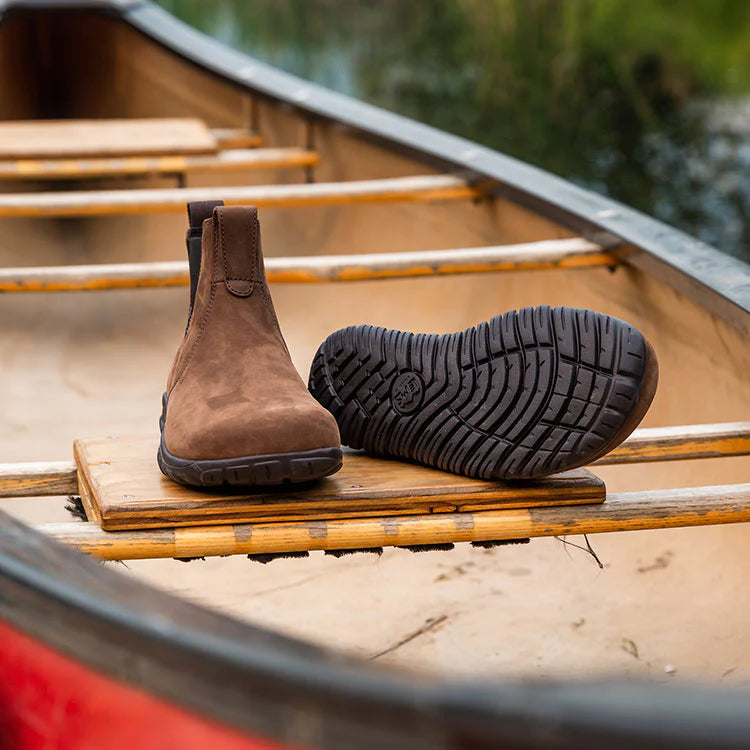
Sensory feedback between your feet and the ground is essential for balance and stability. While walking barefoot maximises ground sensation, the next best thing is barefoot shoes with ultra-thin and flexible soles. These allow your feet and toes to move and flex naturally, strengthening muscles while keeping you connected to the ground.
Benefits include:
-
Improved balance and coordination while walking, running, or hiking
-
Reduced risk of falls and injuries
-
Stronger activation of intrinsic foot muscles
-
More confidence in your movements!
Tip: Try this at home: For a better understanding of why flexibility is a key feature in barefoot shoes, observe the sensations in your feet as they flex and adjust to small changes in the floor while you walk barefoot. Then, put on a pair of conventional sneakers and focus your attention on how the shoe restricts those natural movements. With that mind, the next time you see rigid, structured shoes, walk the other way and look for functional, flexible barefoot footwear instead!

3. Restored Natural Alignment, Posture & Joint Health
One of the most overlooked benefits of barefoot shoes is how they positively influence posture, spinal alignment, and joint mechanics right from the ground up.
Most conventional shoes are built with elevated heels and thick, cushioned midsoles. While this may feel comfortable in the short term, it subtly shifts your centre of gravity forward — over time, this can lead to adaptations in how your body stands and moves.
Think about it: when your heel sits higher than your forefoot, even by a small amount, your ankle, knee, hip, and lower back all adjust to compensate. That forward tilt may feel natural at first, but over months and years it can subtly reinforce poor posture, increased lower back strain, and less efficient movement patterns.

Research on gait mechanics shows that footwear design influences joint loading and movement patterns, with minimalist designs encouraging a natural midfoot strike pattern and more neutral lower-limb alignment compared to shoes with elevated heels.
This is where minimalist and zero-drop barefoot shoes make a real difference. Instead of forcing your body into an unnatural alignment with every step, barefoot footwear gives your posture a chance to self-correct through movement!
Key Features of Barefoot Shoes That Improve Natural Alignment:
✅ Zero-Drop Platforms to Restore Natural Gait and Posture
Barefoot and zero-drop footwear places your heel and forefoot on the same level, allowing your body to maintain a more natural alignment from your feet up through your joints. This restores your natural gait, allowing your heel and the ball of your foot to strike the ground together instead of having the heel strike first.
By letting your feet sit flat and your joints align naturally, barefoot shoes support:
-
Balanced weight distribution across your entire foot
-
More efficient gait with less compensatory movement higher up the body
-
Reduced strain on the ankles, knees, hips, and lower back
-
Restored natural posture that better reflects how your body was designed to move, with correct alignment from the feet through the knees and hips
-
Elimination of some of the damaging effects caused by elevated heels
4. Reduced Risk of Common Foot Conditions & Foot Pain
For many people, the connection between footwear and foot pain isn’t obvious because discomfort builds up gradually over years of restricted movement.
Conventional shoes with narrow toe boxes, elevated heels, and rigid arches affect how your feet distribute pressure throughout the day and restrict your foot muscles and fascia from engaging the way they are designed to. This compromised position encourages muscle weakening, shortened tissue lengths, and pressure points.
Over time this can contribute to common foot complaints including:
-
Plantar fasciitis
-
Bunions and hammertoes
-
Morton’s neuroma
-
Tight calves and Achilles irritation

This is where barefoot shoes stand apart. By allowing natural motion, toe splay, and full ground engagement, barefoot footwear encourages proper muscle use and tissue loading. When your muscles and fascia are used appropriately, they adapt — becoming stronger, more resilient, and better able to absorb everyday loads.
A controlled study of schoolchildren found that daily use of minimalist shoes led to increased intrinsic foot muscle size, toe strength, and arch height, providing real evidence that unrestricted foot mechanics benefits structural foot development!
While this study focused on the benefits of barefoot shoes for children’s foot development, the underlying principle holds true for adults as well: the more your foot can function naturally, the less likely it is to compensate, overload, or develop pain patterns. Barefoot footwear creates an environment where your feet are free to work, adapt, and improve rather than weaken and deteriorate.
Real-world results often seen with barefoot shoe wear include:
-
Reduced tension through the plantar fascia
-
Fewer tight calves and lower-leg complaints
-
Better toe alignment and decreased forefoot pressure
-
A gradual reduction in chronic foot pain
Summary of Key Features to Look for in Barefoot Shoes
To get the most out of minimalist and barefoot footwear, look for the following features:
-
Wide toe box and foot-shaped design – allows optimal natural toe splay
-
Flexible, thin soles – promotes sensory feedback and foot engagement
-
Zero-drop platforms – encourages proper posture
-
A minimal, lightweight construction – allows natural movement without strain
-
Minimal cushioning – lets toes and arches actively engage
Are You Ready to Transition to Barefoot Shoes?
👉 If you are completely new to minimalist and functional footwear, you can learn more about transitioning to barefoot footwear here. We share useful tips to help you set your feet free and make the switch to barefoot footwear confidently and safely.
Conclusion
For better foot health, you need to be wearing foot-shaped shoes!
Barefoot shoes are more than a trend — they help strengthen your feet, improve balance, support posture, and reduce long-term foot pain. The right barefoot shoes allow your feet and body to move naturally and comfortably, just as nature intended.
At Bprimal, we believe your feet deserve better and are committed to foot health awareness — with the added perk of retailing the best barefoot shoes in Australia that tick off all the above key features and more. If you’re looking for the perfect barefoot and minimalist footwear to start your journey to better foot health, look no further!
👉 Explore our full range of minimalist and barefoot shoes here, and check out our handy Find Your Perfect Fit page for guidance finding the perfect pair for your foot shape and lifestyle.
The Benefits of Barefoot Shoes: FAQs
What are the benefits of barefoot shoes?
Minimalist barefoot shoes support stronger foot muscles, better balance, improved posture, and reduced risk of foot pain, compared to conventional shoes that feature narrow toe boxes, thick cushioning and elevated heels.
Can barefoot shoes improve posture?
Yes! The zero-drop design promotes natural, neutral alignment, relieving strain on hips, knees, and lower back.
Do barefoot shoes reduce injury risk?
When worn correctly and transitioned gradually, barefoot shoes allow your intrinsic foot muscles to activate strengthen, which has been shown to improve balance and reduce the risk of injury.
How do I transition safely to barefoot shoes?
Start by wearing barefoot shoes for short periods and gradually increase wear time. For further guidance, see our Transition Tips & Best Picks Guide.