


Balance often becomes a bigger consideration as we age, but maintaining stability is about more than simply practising standing on one leg.
Our feet and ankles form the foundation of every step. They help manage body weight, respond to changes in the ground and provide sensory information that contributes to balance and movement.
Research increasingly suggests that foot strength, toe function, foot health and appropriate footwear can all play meaningful roles in balance and fall prevention in older adults.
For health professionals and older adults alike, this creates an important opportunity: healthy ageing strategies can start from the ground up.
Explore Bprimal’s barefoot and minimalist footwear designed to encourage natural foot movement and function.
Why Foot Health Matters for Balance as We Age
Balance is a whole-body process involving vision, the vestibular system, muscles, joints and sensory information.
The feet are one part of this system.
When standing or walking, sensory receptors under the feet provide information about pressure, surface changes and body position. At the same time, the muscles of the feet, toes and ankles contribute to controlling movement and maintaining stability.
Ageing can be accompanied by changes in strength, mobility, sensation and foot health. This makes it particularly important to consider what is happening at ground level.
A prospective study published in the Journal of the American Geriatrics Society found that foot pain, hallux valgus and reduced toe strength were associated with recurrent falls in older adults.
Importantly, this does not mean that a single foot problem directly causes falls. Falls are multifactorial. However, the findings suggest that foot health should not be overlooked when assessing mobility and fall risk.
Stronger Feet May Support Steadier Movement

Muscle strength is important throughout the body, and the smaller muscles responsible for controlling the feet and toes are no exception.
A 2021 systematic review and meta-analysis examined foot and ankle exercise programs for older adults.
The review found that these programs could improve foot and ankle strength, balance and selected measures associated with fall risk.
This supports including the feet and ankles within broader strength and balance programs rather than focusing exclusively on larger muscle groups.
Toe Strength Deserves Attention Too
The toes contribute to the body's interaction with the ground during standing and walking.
A 2017 study examining toe flexor strength, postural control and functional mobility in older adults found that greater toe strength was associated with better balance and mobility.
Again, this is an association rather than proof that increasing toe strength alone will prevent falls. But it reinforces the potential value of maintaining toe function with age.
A Simple Foot-Strength Routine for Healthy Ageing

Foot exercises do not necessarily need to be complicated.
Depending on an individual's mobility, strength and fall risk, a foot-focused program may include:
-
Toe presses: gently press the toes into the floor while keeping them relaxed and spread.
-
Toe lifts: practise lifting and lowering the toes while keeping the heel and forefoot grounded.
-
Calf raises: rise slowly onto the forefoot before lowering with control.
-
Weight shifts: gradually transfer body weight from one foot to the other while maintaining control.
-
Supported single-leg balance: practise standing on one leg while using a sturdy bench or rail for support when appropriate.
-
Controlled walking: practise slow, deliberate steps while maintaining awareness of foot placement.
The appropriate exercises and difficulty will vary considerably between individuals.
Older adults with a history of falls, significant balance impairment, neuropathy, dizziness, pain or other medical conditions should seek professional guidance before beginning challenging balance exercises.
Fall Prevention Works Best as a Multi-Part Strategy
One of the strongest messages from the research is that there is unlikely to be one product, exercise or footwear feature that prevents falls by itself.
A randomised controlled trial published in the BMJ investigated a multifaceted podiatry program for older adults with disabling foot pain.
The intervention combined:
-
Footwear advice
-
Foot orthoses where appropriate
-
Foot and ankle exercises
-
Foot care
-
Falls-prevention education
Participants receiving the multifaceted intervention experienced fewer falls than those receiving usual care.
This suggests that addressing foot pain, footwear and physical capacity together may be more useful than looking at each factor in isolation.
What Makes Footwear Appropriate for Older Adults?
Footwear is another modifiable part of the equation.
A review examining footwear and falls in older people repeatedly identified characteristics such as poor fit, high heels, backless designs and slippery soles as potential hazards.
Read the review: Footwear and falls in older people
A later systematic review examining footwear interventions similarly highlighted factors including fit, slip resistance and the environment in which footwear is being used.
Practical Footwear Features to Consider
For older adults, useful footwear characteristics may include:
-
A secure and comfortable fit
-
Reliable fastening to reduce unwanted movement inside the shoe
-
Appropriate outsole grip for the intended surface
-
A relatively low and stable heel
-
Adequate contact with the ground
-
Enough room for the toes without excessive internal movement
-
A manageable shoe weight
-
An outsole appropriate for the person's balance, sensation and environment
A 2016 randomised trial examining footwear advice and provision also found improvements in some balance outcomes, although adherence influenced the results.
The key point is that "safe footwear" is not defined by one shoe category. The right footwear depends on the individual and the environment.
The Feet Are Sensory Organs, Too

Strength is only one side of balance.
The soles of the feet contain sensory receptors that provide information about pressure and contact with the ground. This information contributes to the nervous system's understanding of where the body is positioned.
Researchers have investigated whether changing sensory input under the feet can influence balance.
A controlled laboratory study examining textured insoles found improvements in selected balance or gait measures for some older participants.
A subsequent systematic review of textured materials and vibrating insoles found that some sensory interventions improved balance-related outcomes. However, evidence quality varied and the long-term effects remained uncertain.
These findings support an interesting principle: what we feel through our feet can influence how we control our bodies.
They do not, however, mean that more sensory stimulation is always better or safer.
Where Do Barefoot and Minimalist Shoes Fit In?

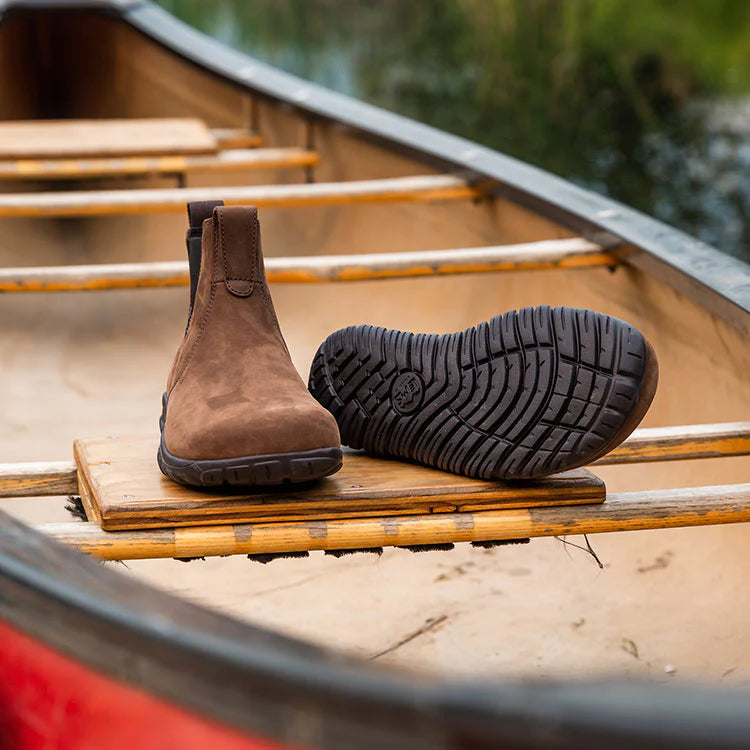
Barefoot and minimalist footwear is designed to interfere less with natural foot movement. Depending on the model, common characteristics include:
-
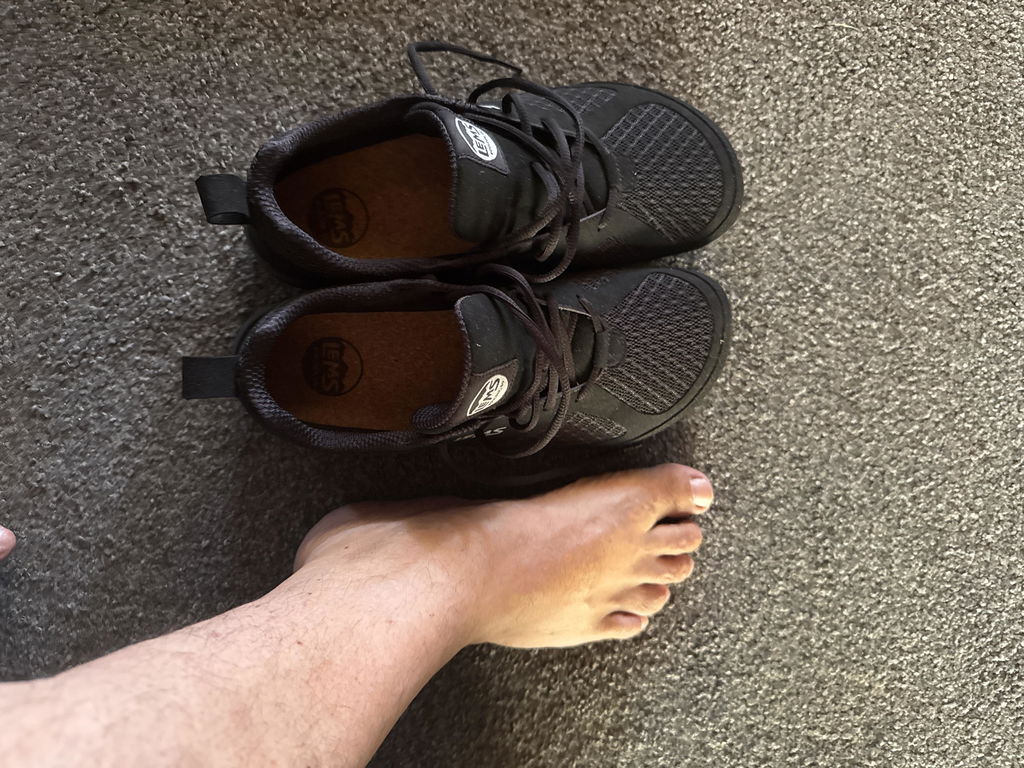
A foot-shaped toe box
-
A low or zero heel-to-toe drop
-
Flexible construction
-
Lower overall shoe weight
-
Greater sensory feedback from the ground
These features may provide an environment in which the foot and toes are able to move and participate more actively.
However, this becomes particularly nuanced in older adults.
A 2020 randomised trial examined progressive minimal-footwear walking and balance training in older adults. Participants demonstrated improvements in selected measures of foot strength and balance following gradual training.
The important word is progressive.
Minimal footwear should not be interpreted as a universal fall-prevention treatment, nor does the evidence suggest that every older adult should suddenly switch to very thin or flexible shoes.
For someone accustomed to heavily cushioned or structured footwear, minimalist shoes can change the demands placed on the feet, calves and ankles.
A gradual approach is therefore essential.
Minimal Footwear After 60: Gradual, Not Extreme
For an appropriate older adult interested in minimalist footwear, progression might involve:
-
Starting with short periods of wear in a controlled environment.
-
Choosing a secure, well-fitting shoe rather than loose or backless footwear.
-
Gradually increasing walking duration.
-
Combining footwear changes with foot and ankle strengthening.
-
Monitoring for pain, fatigue, instability or skin irritation.
-
Seeking professional advice if balance, sensation or mobility is impaired.
People with peripheral neuropathy, substantially reduced protective sensation, a history of falls, significant foot deformity, active foot wounds or a high fall risk should seek advice from an appropriate health professional before experimenting with minimal footwear.
For suitable individuals interested in allowing more natural foot movement, explore Bprimal’s barefoot footwear.
Five Foot-Health Checks That Shouldn't Be Ignored With Age
Because foot health and falls are associated, routine attention to the feet may be worthwhile.
1. Is There Persistent Foot Pain?
Pain can change the way a person stands and walks. Persistent or worsening pain deserves assessment rather than simply being accepted as an inevitable part of ageing.
2. Can the Toes Move and Press Into the Ground?
Reduced toe function may affect how the foot interacts with the ground. Toe strength and mobility can therefore be useful components of a broader assessment.
3. Do Shoes Still Fit Properly?
Foot shape and footwear needs can change over time. Shoes that once fitted well may eventually become too tight, loose or worn.
4. Are the Soles Still Providing Suitable Grip?
Outsole wear can affect traction. Check both shoes regularly for excessive or uneven wear.
5. Has Balance or Walking Confidence Changed?
Repeated stumbling, new instability, slower walking or fear of falling should not be dismissed.
In Australia, Healthdirect recommends a combination of aerobic activity, strength, flexibility and balance exercises for older adults, with professional guidance where fall risk is high.
The Bigger Picture: Healthy Ageing From the Ground Up
Falls are complex.
Vision, medication, neurological health, muscle strength, home hazards, cardiovascular health, cognition, footwear and many other factors can influence an individual's risk.
Foot health should therefore be considered one component of a broader fall-prevention strategy, not a standalone solution.
The research nevertheless gives us several useful takeaways:
-
Foot and ankle exercises can improve strength and some balance outcomes.
-
Greater toe strength is associated with better balance and functional mobility.
-
Foot pain and certain foot disorders are associated with recurrent falls.
-
Poorly fitting, slippery, high-heeled or unsecured footwear may create additional hazards.
-
Footwear fit and grip should be considered alongside the environment.
-
Sensory feedback from the soles of the feet contributes to balance.
-
Progressive minimalist-footwear training may improve selected strength and balance measures in some older adults.
-
Minimal footwear is not appropriate for everyone, particularly without screening for sensory impairment and fall risk.
Strong Feet Are One Part of Staying Independent
Healthy ageing is not about eliminating every physical change that comes with time. It is about maintaining as much strength, confidence, mobility and independence as possible.
The feet deserve a place in that conversation.
Evidence suggests that foot and ankle training, attention to foot pain, appropriate footwear and progressive movement can all contribute to a more complete approach to balance and fall prevention.
For clinicians, this means looking below the ankle when assessing balance and mobility.
For older adults, it means remembering that the feet are not simply passive platforms beneath the body. They are active, sensory structures involved in every step.
Keep them strong. Keep them moving. And choose footwear that matches the individual's needs, capacity and environment.
Explore Bprimal barefoot and minimalist footwear and learn more about supporting natural foot function through every stage of life.
Disclaimer: This article is for educational and informational purposes only and is not intended to replace individual medical advice, diagnosis or treatment. Older adults with a history of falls, neuropathy, significant balance impairment or other health concerns should seek guidance from an appropriate health professional before changing footwear or beginning a new exercise program.