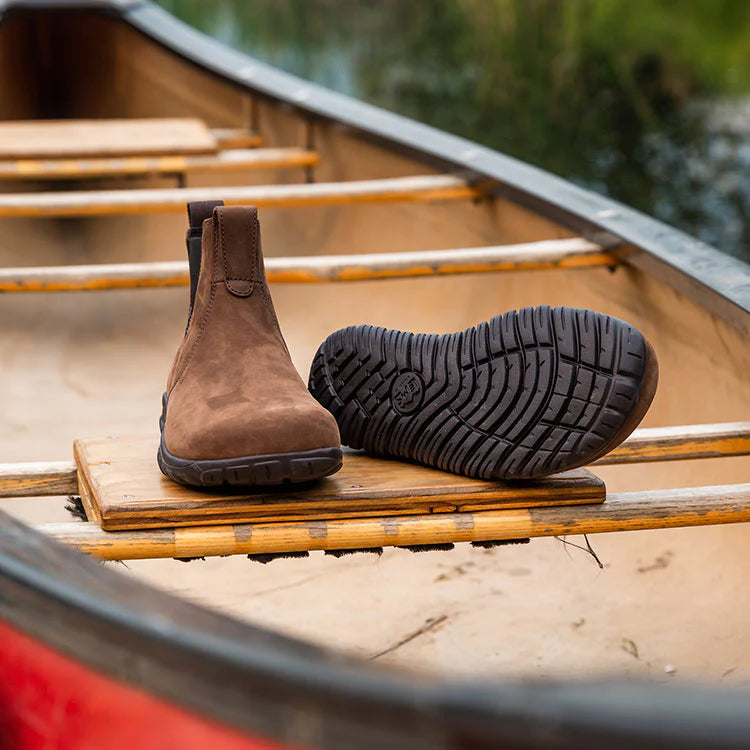



The transition to barefoot shoes and minimalist footwear can transform how your body moves and feels — but after years in structured shoes, your feet need time to adapt and rebuild natural stability. Whether you're in Sydney or Melbourne, starting with the right footwear and a gradual plan is key to helping your feet rebuild strength, mobility, and balance.
At our Bprimal Sydney and Melbourne stores, we offer a wide range of minimalist and zero drop shoes for all occasions, including barefoot running shoes, to support your transition every step of the way.
Choosing the Right Shoes to Transition to Barefoot Footwear
If you're new to minimalist footwear, choose styles that offer:
-
A flexible, low-to-zero drop sole
-
A wide toe box to allow full natural toe splay
-
Lightweight, flexible design to support natural movement
Brands like Lems and Altra offer the ultimate beginner-friendly options for barefoot transition shoes, with more light cushioning support and protection than the more minimalist barefoot brands like Freet and Vivobarefoot — but this isn’t always necessary for everyone.
We stock men’s and women’s transition to barefoot shoes both online and in-store (Sydney and Melbourne), with choices ranging from everyday minimalist sneakers to zero drop running shoes — perfect for transitioning and building strength and safely.

Check our new Transition to Barefoot Starter Bundle — this handy bundle contains the key essentials to support your feet during the strengthening and adaptation process, helping you transition safely, comfortably and effectively. Perfect for anyone beginning their barefoot journey!
Step 1: Understand the Shift to Minimalist & Zero Drop Shoes
Most traditional shoes include:
-
Raised heels that alter posture
-
Narrow toe boxes that reduce natural toe splay
-
Thick cushioning that weakens sensory feedback
Minimalist and zero drop shoes help reverse these habits and their effect on natural foot function. Barefoot shoes allow your toes to spread, your heel to sit level with your forefoot, and your foot to move naturally — but this change requires gradual adaptation.
Step 2: Start Gradually When Transitioning to Barefoot Shoes
When transitioning to barefoot shoes, it’s important to ease in slowly and let your body guide the process. Begin with short, low-impact periods of wear and allow your feet, calves, and lower body time to adapt to more natural movement.
A gentle progression may include:
-
Wearing barefoot shoes indoors or on short, easy walks at first
-
Gradually increasing wear time as comfort and strength improve
-
Introducing everyday activities like errands, gym sessions, or light outdoor movement
-
Building toward longer wear or full-day use once your body feels ready
Some muscle fatigue or increased awareness is normal during the transition, but pain is not. Prioritising consistency, patience, and gradual exposure helps support a safer, smoother shift into barefoot footwear.
To learn more about transitioning safely, you can also explore our in-depth guides on transitioning from conventional to minimalist shoes and how to make the switch to barefoot footwear, which walk you through what to expect and how to support your feet at each stage of the journey.
Step 3: Strengthen Your Feet for Minimalist Footwear
Incorporating gentle foot exercises can help build strength, coordination, and stability as your feet adapt to more natural movement. Start slowly and focus on control rather than intensity:
-
Toe spreads – While standing or seated, actively spread your toes apart and hold for a few seconds. This helps improve toe control, alignment, and intrinsic foot strength.
-
Short-foot drill – Gently lift the arch of your foot by drawing the ball of the foot toward the heel without curling the toes. This supports arch strength and foot stability.
-
Heel raises – Slowly raise your heels off the ground and lower with control. This strengthens the calves, ankles, and supporting structures of the foot.
-
Single-leg balance – Stand on one foot and maintain balance, keeping the foot relaxed and grounded. This improves proprioception, coordination, and ankle stability.
Tools for foot stretches and exercises like ToeFlex Resistance Bands, Correct Toes - Toe Spacers, and the Fasciitis Fighter R2 help accelerate foot strength and mobility during your transition to barefoot shoes.
Learn more
For step-by-step instructions, progressions, and visual guidance, you can explore our detailed foot strengthening guides, including:
7 Exercises to Strengthen the Feet for Optimal Stability
3 Effective Foot Exercises to Build Foot Strength.

Step 4: Roll, Stretch & Recover
Mild soreness and fatigue is common during the transition process as your feet adapt to new types of movement. Use recovery tools like:
These tools are firm & effective to provide just the right amount of pressure for deep tissue release, supporting your recovery and mobility. Aim to spend at least 30–60 seconds daily on each area to release tension and support tissue adaptation.
Step 5: How to Transition to Barefoot Running Shoes Safely
If you're adding running to your transition to barefoot shoes, it’s recommended to refine your technique:
-
Adopt a light, short stride
-
Aim for a midfoot or forefoot landing
-
Maintain upright posture
-
Keep a quick, efficient cadence
Barefoot running retrains your entire movement pattern — making efficient mechanics more natural.
Tools to help the transition to barefoot running and improve running form:
-
Bundle & Save: Barefoot Running Essentials Bundle
Step 6: Listen to Your Body
Mild fatigue and discomfort is typically a sign of progress, but sharp pain or severe discomfort means slow down or stop. Gradual adaptation is key, and rest days let muscles and ligaments recover and build strength. Remember, everyone’s timeline is different — your transition is meant to feel sustainable, never rushed.
Step 7: Rotate Between Minimalist Shoes & Your Current Footwear
Alternating between minimalist shoes and traditional footwear is not only acceptable, it’s smart — it can help your feet adapt without overwhelm. Rotating different minimalist brands also exposes your feet to varied flexibility levels and materials.

Step 8: Support Recovery & Foot Health
Enhance your transition with products designed to improve circulation, reduce tightness, build foot strength and support natural alignment:
-
Bundle & Save: Foot Strengthen & Restore Bundle
Step 9: Embrace the Barefoot Lifestyle
The transition to barefoot minimalist shoes goes beyond footwear — it’s a commitment to natural movement, increased body awareness, and long-term foot health. With patience and consistency, you’ll experience greater stability, better posture, and a renewed sense of freedom.
Visit Bprimal In-Store in Sydney or Melbourne
At Bprimal, we’re passionate about helping people reconnect with their natural stride. Whether you’re starting your barefoot journey or looking for the best minimalist shoes for daily wear, our expert teams can help you choose the right pair.
Visit us in-store or contact our teams at:
👉Bprimal Melbourne (Northcote)
Try on zero-drop shoes, test flexibility and toe-box width, and learn how to transition safely with personalised guidance. Our team can help you choose the right pair of barefoot transition shoes, and teach you how to transition to barefoot running shoes safely.
More Guides from Bprimal
To help guide your transition, explore our other expert resources:
These guides complement this article and ensure you have a clear path forward.