


Plantar heel pain is one of the most common musculoskeletal conditions affecting the foot, accounting for a significant number of presentations in general practice, sports medicine and physiotherapy clinics. Although often referred to as plantar fasciitis, growing evidence suggests that many persistent cases involve degenerative changes rather than ongoing inflammation, making the term plantar fasciopathy more accurate in chronic presentations.
Current research shows there is no single "best" treatment. Instead, successful outcomes are achieved through an individualised rehabilitation programme that combines education, progressive loading, manual therapy where appropriate and short-term symptom management strategies.
At bprimal, we support an evidence-based approach to foot health by combining natural movement principles with clinically supported rehabilitation strategies.
Looking to support your recovery? Explore our range of barefoot footwear, foot health products and educational resources designed to complement an active rehabilitation programme.
What Is Plantar Heel Pain?
The plantar fascia is a thick band of connective tissue that runs from the heel bone (calcaneus) to the toes. It plays an important role in supporting the arch and storing elastic energy during walking and running.
When the plantar fascia is repeatedly loaded beyond its current capacity, microscopic tissue changes can develop. While inflammation may occur during the early stages, persistent plantar heel pain is now recognised as more of a tissue capacity problem than an inflammatory condition alone.
This understanding has shifted treatment away from prolonged rest and passive therapies towards progressive rehabilitation that restores strength and load tolerance.
Why Does Plantar Heel Pain Develop?

Rather than having one single cause, plantar heel pain usually develops when the demands placed on the foot exceed what the tissues can currently tolerate.
Common contributing factors include:
-
Sudden increases in walking, running or sporting activity
-
Reduced calf strength or endurance
-
Limited ankle mobility
-
Prolonged standing on hard surfaces
-
Higher body weight
-
Deconditioned intrinsic foot muscles
-
Returning to activity too quickly after inactivity
In many cases, several of these factors occur together. Understanding the contributing factors allows clinicians to tailor rehabilitation to the individual rather than relying on a generic treatment plan.
What Does the Latest Evidence Recommend?
The 2023 Clinical Practice Guideline published in the Journal of Orthopaedic & Sports Physical Therapy recommends a multimodal approach to plantar heel pain management.
Strong evidence supports combining:
-
Patient education
-
Progressive stretching
-
Foot and calf strengthening
-
Manual therapy where appropriate
-
Low-Dye or supportive taping during painful stages
-
Selected foot orthoses for short-term symptom relief
Importantly, the guideline recommends that treatment should be individualised according to symptom severity, functional goals and patient preferences rather than relying on one intervention alone.
Progressive Loading Is a Key Component
Historically, patients were often advised to rest until symptoms resolved. Current research suggests this approach may delay recovery.
A 2022 systematic review found that progressive strengthening programmes targeting both the intrinsic foot muscles and calf complex consistently improved pain and function in people with plantar heel pain.
Similarly, a randomised controlled trial demonstrated that high-load heel raises performed with the toes extended produced faster improvements than stretching alone during the first three months of rehabilitation.
Progressive loading programmes commonly include:
-
Heel raises
-
Plantar fascia-specific loading
-
Intrinsic foot muscle strengthening
-
Calf strengthening
-
Gradual return to walking and running
Rather than avoiding loading altogether, rehabilitation aims to gradually rebuild the plantar fascia's capacity to tolerate everyday activities.
Can Barefoot Shoes Help Plantar Heel Pain?

Barefoot shoes are increasingly discussed as part of foot rehabilitation, but where do they fit within the evidence?
Current clinical practice guidelines do not recommend barefoot shoes as a stand-alone treatment for plantar heel pain. However, they do strongly support restoring foot function through progressive loading, strengthening and movement—all principles that barefoot footwear may help facilitate in appropriate individuals.
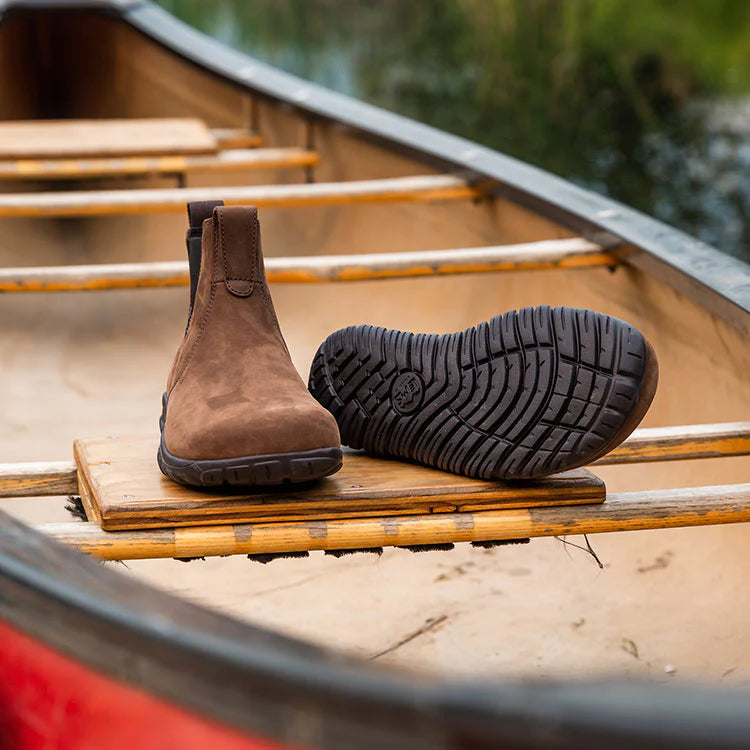
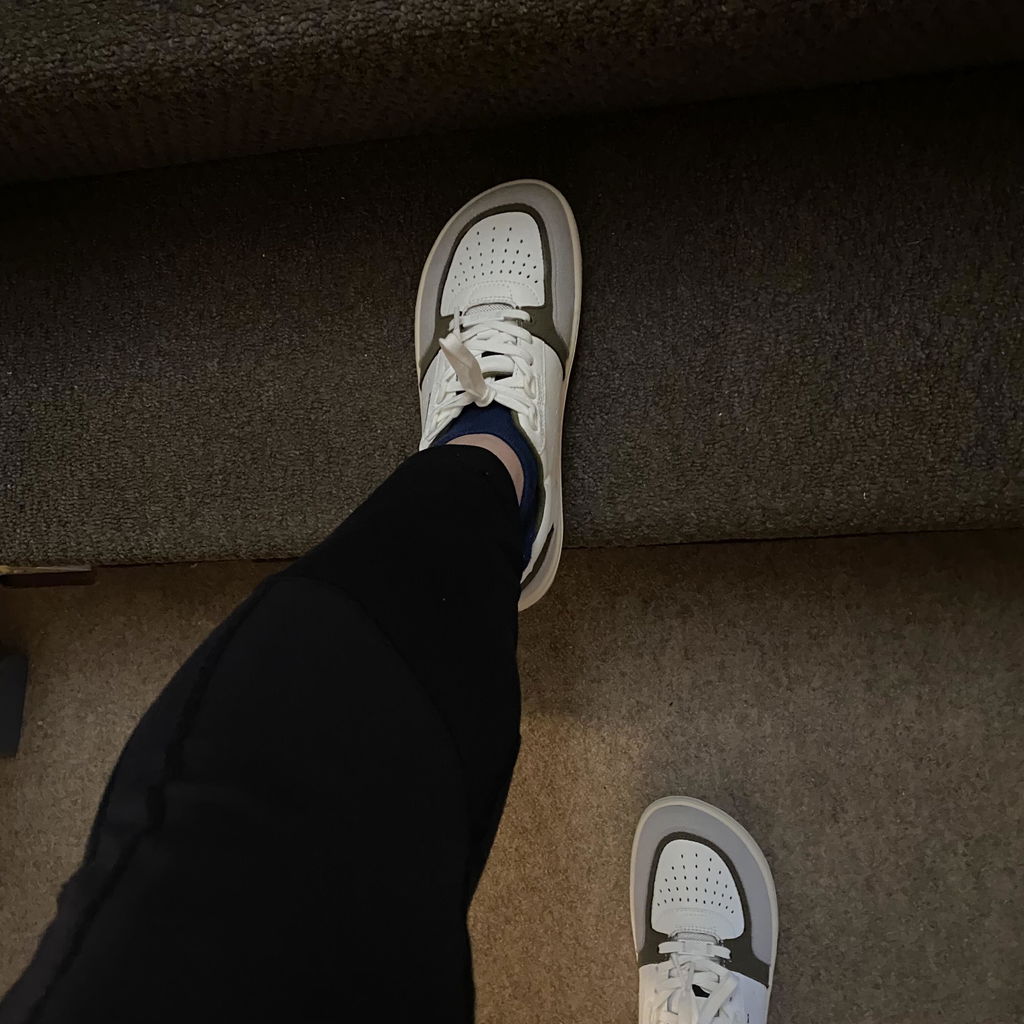
Barefoot shoes typically feature:
-
A wide toe box that allows the toes to spread naturally
-
Flexible soles that encourage normal foot mechanics
-
Zero-drop platforms that promote natural ankle and calf function
-
Minimal cushioning that encourages greater foot muscle engagement
For some people, these features may complement a structured rehabilitation programme by encouraging improved foot strength and more natural movement patterns over time.
However, barefoot shoes are not appropriate as an immediate solution for everyone. Transitioning too quickly into minimalist footwear can temporarily increase loading through the plantar fascia, Achilles tendon and calf muscles, particularly if those tissues are already sensitive.
For patients considering barefoot footwear, clinicians should recommend:
-
A gradual transition
-
Continued strengthening exercises
-
Monitoring symptoms over the following 24–48 hours
-
Adjusting activity according to tissue response
When introduced progressively, barefoot shoes may become one component of a comprehensive rehabilitation strategy rather than replacing evidence-based exercise.
What Does the Research Say About Footwear?
Interestingly, high-quality research has focused far more on rehabilitation than on specific footwear types.
Current evidence suggests:
-
No particular shoe has been shown to cure plantar heel pain.
-
Comfortable footwear that reduces symptom aggravation is appropriate during painful stages.
-
Long-term improvements depend on restoring tissue capacity through exercise rather than footwear alone.
This reinforces an important clinical principle:
Footwear should support rehabilitation—not replace it.
For some patients, more supportive footwear or temporary orthoses may help reduce symptoms during the early stages of recovery. Others may gradually progress towards more flexible footwear as strength and tolerance improve.
Where Do Foot Orthoses Fit?
Foot orthoses can provide useful short-term symptom relief for some individuals.
A randomised trial comparing sham, prefabricated and custom orthoses found that both prefabricated and custom devices produced modest improvements in pain, with custom orthoses offering little additional benefit for most patients.
A subsequent systematic review reached similar conclusions, finding that orthoses may provide small-to-moderate short-term improvements but that long-term benefits remain uncertain.
Rather than viewing orthoses as a permanent solution, current evidence supports using them as a temporary adjunct while rehabilitation addresses the underlying deficits in strength and load tolerance.
Education Matters
Patient education is one of the strongest recommendations in current clinical guidelines.
Patients benefit from understanding that:
-
Recovery commonly takes several months.
-
Complete rest is rarely the most effective strategy.
-
Gradual increases in activity promote tissue adaptation.
-
Strengthening is an important part of long-term recovery.
-
Footwear should be selected according to comfort, function and rehabilitation goals.
Helping patients understand the condition often improves adherence and expectations throughout rehabilitation.
Building Stronger Feet for Long-Term Recovery

The plantar fascia does not work in isolation. It functions alongside the intrinsic foot muscles, calf muscles, Achilles tendon and lower limb to absorb and release forces during walking and running.
Long-term rehabilitation should therefore focus on improving the capacity of the entire kinetic chain.
Examples include:
-
Progressive heel raises
-
Short foot exercises
-
Toe strengthening
-
Balance training
-
Calf strengthening
-
Walking progression
-
Gradual return to running
As foot strength improves, many individuals become more tolerant of minimalist or barefoot-style footwear when introduced appropriately.
The goal is not simply to reduce pain but to restore resilient, adaptable foot function that supports long-term movement.
Practical Clinical Takeaways
Current evidence supports a comprehensive management plan that includes:
-
Progressive strengthening and loading
-
Stretching where clinically indicated
-
Manual therapy as an adjunct
-
Taping for temporary symptom relief
-
Short-term use of orthoses where appropriate
-
Individualised patient education
-
Gradual return to activity
No single intervention consistently outperforms a well-designed, multi-modal rehabilitation programme.
How Bprimal Supports Evidence-Based Care
At bprimal, we encourage an evidence-informed approach to foot health rather than promoting any single product as a cure for plantar heel pain.
Depending on the individual's needs and stage of rehabilitation, clinicians and patients may choose to incorporate:
-
Barefoot shoes that encourage natural foot movement
-
Toe spacers where clinically appropriate
-
Toe socks that allow natural toe splay
These products are intended to complement progressive rehabilitation—not replace it.
By combining education, strengthening, appropriate footwear and gradual exposure to movement, many individuals can develop stronger, more resilient feet over the long term.
Conclusion
Current research consistently demonstrates that plantar heel pain responds best to an individualised, evidence-based rehabilitation programme. Progressive loading, strengthening, stretching, patient education and selected short-term interventions such as taping or orthoses all have an important role to play.
Barefoot shoes should not be viewed as a stand-alone treatment. However, when introduced gradually and alongside an appropriate exercise programme, they may support natural foot function and contribute to long-term improvements in foot strength and movement quality.
For clinicians and patients alike, the goal extends beyond symptom relief. Building tissue capacity, restoring confidence in movement and supporting long-term foot health remain the foundations of successful plantar heel pain management.