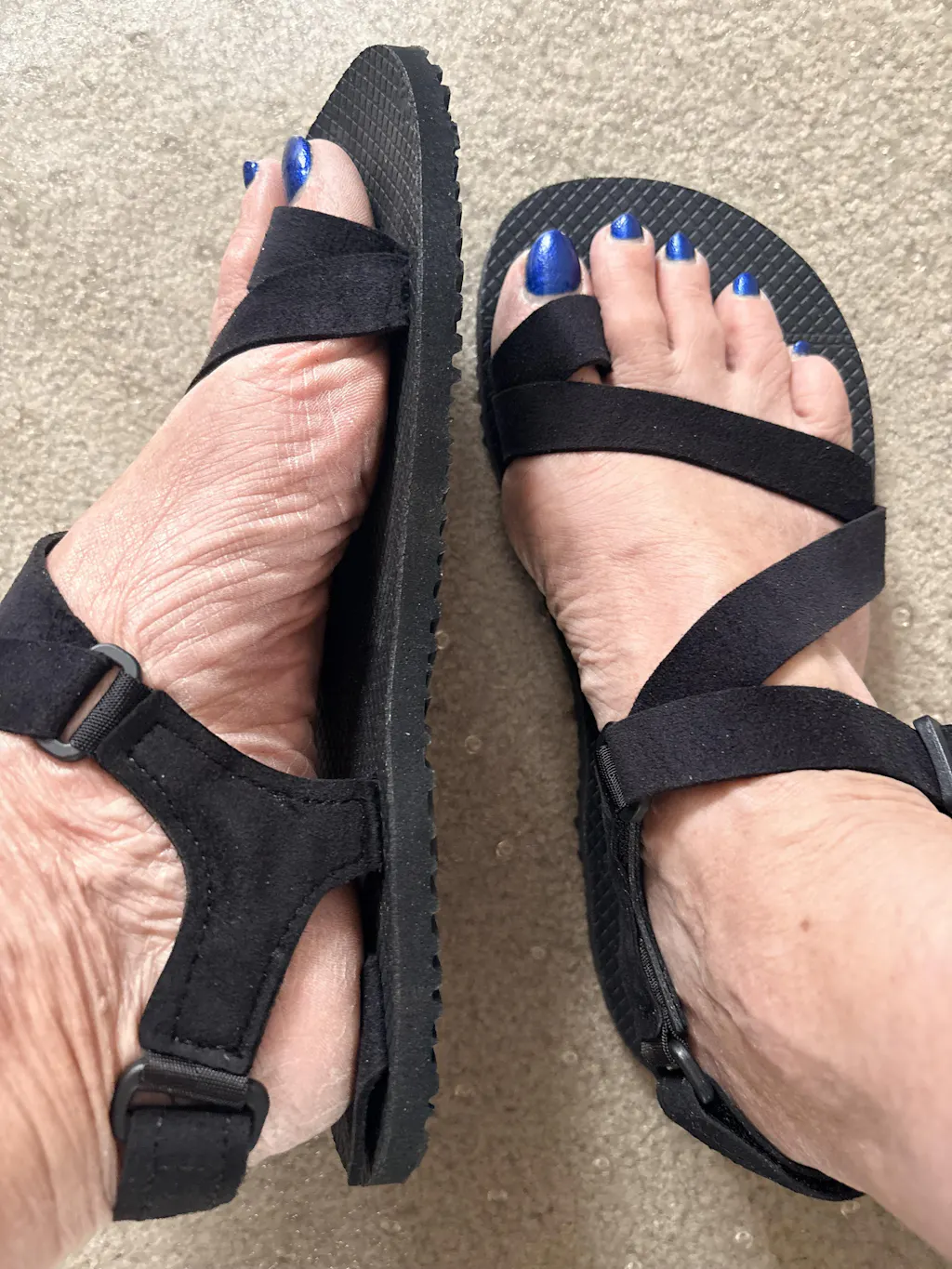



Why Choose Barefoot Shoes?
Barefoot shoes aren’t just a trend—they’re a return to how our feet were designed to move. Backed by research in podiatry, biomechanics, and physical therapy, minimalist footwear is gaining recognition for promoting natural movement and supporting long-term foot health. Whether you're a fitness enthusiast, hiker, or simply looking for everyday comfort, barefoot shoes offer scientifically supported benefits like improved posture, balance, and stronger feet.
If you're considering making the switch, this guide will walk you through the evidence-based benefits and how to transition safely.
The Proven Benefits of Barefoot Shoes
1. Strengthens Foot Muscles & Improves Stability
Research shows that traditional cushioned footwear can lead to weakened foot muscles due to reduced engagement of intrinsic foot structures (Miller et al., 2014). Barefoot shoes, with their minimal design, encourage natural foot function—activating muscles that often go unused. Studies confirm that wearing minimalist shoes increases foot muscle size and strength, improving balance and reducing the risk of falls (Ridge et al., 2019).
2. Promotes Natural Movement & Better Posture
Modern shoes often alter our natural gait, contributing to joint stress and poor alignment. Minimalist footwear encourages a forefoot or midfoot strike pattern, which has been linked to reduced impact forces on knees and hips (Lieberman et al., 2010). This promotes healthier biomechanics, reducing the risk of injuries like plantar fasciitis, shin splints, and knee pain.
3. Enhances Proprioception (Your Body's GPS)
Proprioception—your body’s ability to sense movement and position—is critical for coordination and balance. A study published in Gait & Posture (2015) highlights that barefoot walking improves sensory feedback, allowing better adaptation to varied terrains. Barefoot shoes maintain this connection by providing ground feel without compromising protection, making them ideal for athletes and outdoor enthusiasts.
4. Reduces Risk of Common Foot Deformities
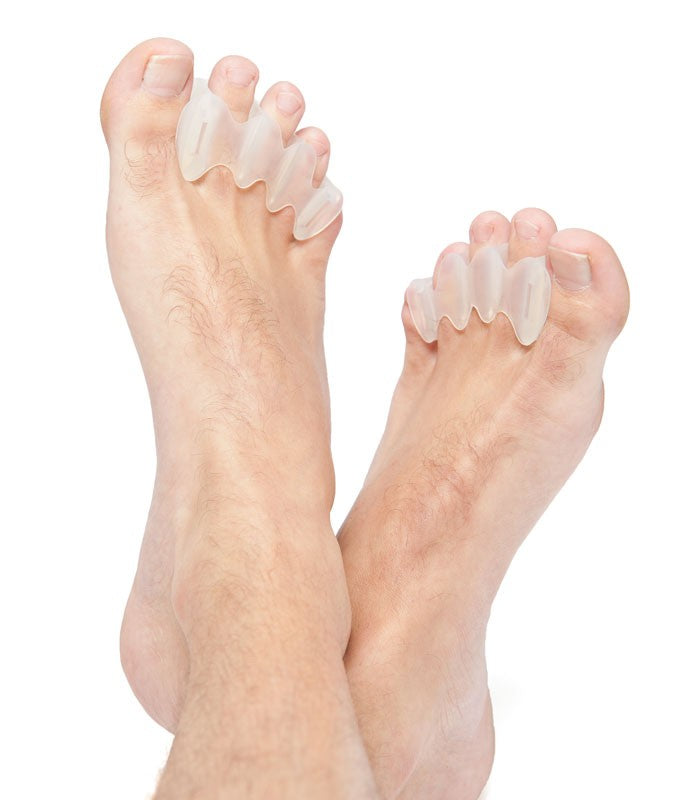
Narrow, restrictive footwear is a known contributor to conditions like bunions, hammer toes, and flat feet (Toe et al., 2011). Barefoot shoes offer a wide toe box, allowing natural toe splay and reducing pressure that leads to these deformities. Some studies suggest that transitioning to minimalist footwear can not only prevent but also assist in reversing early-stage foot malformations through natural alignment and muscle engagement.
5. Boosts Performance Through Sensory Feedback
Athletes benefit from the heightened ground awareness provided by minimalist shoes. Research indicates that enhanced sensory input improves balance, agility, and reaction time (Robbins & Waked, 1997). This can lead to better performance in sports, functional fitness, and even daily activities.
How to Transition to Barefoot Shoes Safely
Switching to barefoot shoes is like starting a new workout—your feet need time to build strength and adapt. Here's how to make the transition smooth and injury-free:
1. Start Slow
A study in Medicine & Science in Sports & Exercise (2016) advises limiting initial wear to short periods to prevent overuse injuries. Begin around the house or during light walks, gradually increasing duration.
2. Incorporate Foot Strengthening Exercises
Exercises like toe spreads, calf raises, and barefoot balance work can accelerate adaptation and reduce soreness. These movements target intrinsic foot muscles neglected by conventional shoes.
3. Select the Right Barefoot Shoe
Key features to look for:
-
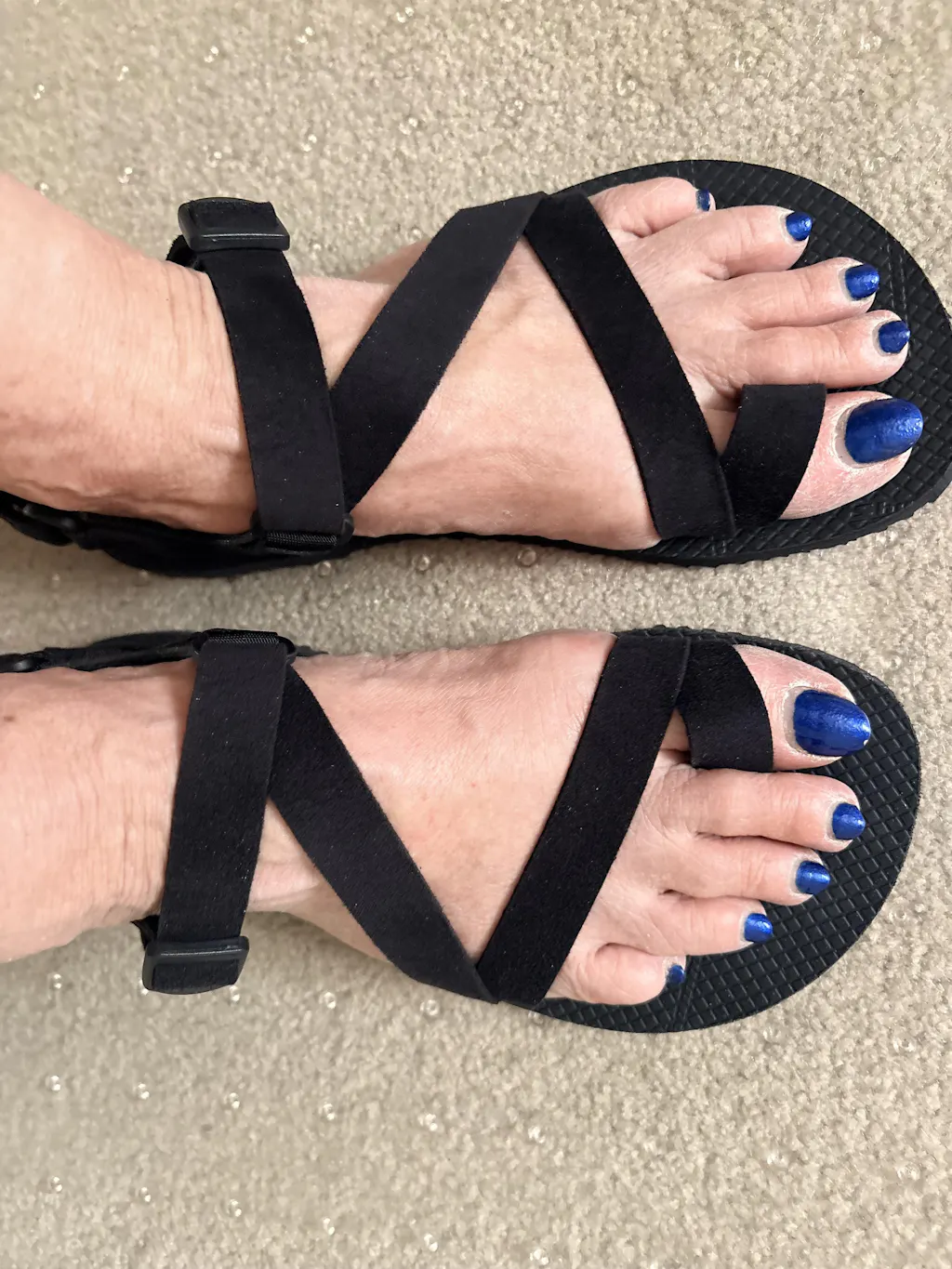
Wide Toe Box: Supports natural toe alignment.
-
Zero Drop Sole: Keeps heel and forefoot level for optimal posture.
-
Thin, Flexible Sole: Preserves ground feel while offering protection.
4. For Runners: Follow a Gradual Plan
Sudden shifts to minimalist running can lead to calf or Achilles strain. Experts recommend starting with 10% of your usual distance in barefoot shoes and increasing weekly.
5. Listen to Your Body
Mild soreness is normal, but sharp pain is not. Rest days and recovery are essential during the transition phase.
Best Barefoot Shoes for Beginners
At bprimal, we’ve curated beginner-friendly barefoot shoes trusted by both podiatrists and movement experts:
-
Joe Nimble & Altra Running: Engineered for daily wear and running, offering flexibility and foot freedom.
-
Vivobarefoot: A balance of style and function—perfect for urban adventures.
-
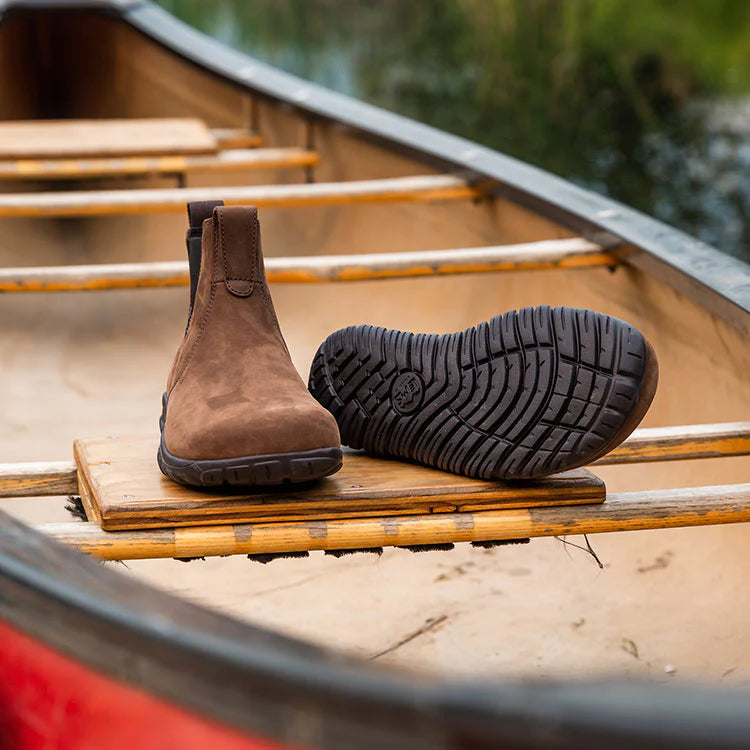
Lems: Designed for trails, combining durability with minimalist principles.
-
Freet: Lightweight hiking boots that support natural movement on rugged terrain.
FAQs About Barefoot Shoes
1. Are barefoot shoes suitable for everyone?
Most people benefit from barefoot footwear, but individuals with severe foot pathologies should consult a podiatrist. Studies support their use in strengthening feet, but personalized advice is key.
2. How long does it take to adjust?
Adaptation typically takes 4-8 weeks, depending on prior footwear habits and foot strength.
3. Can I hike in barefoot shoes?
Absolutely. Many minimalist designs include durable soles with excellent grip, ideal for varied terrains.
4. Do barefoot shoes help with flat feet?
Yes—research suggests that strengthening foot muscles through barefoot activity can support arch development over time (Hashimoto & Sakuraba, 2014). Transition slowly for best results.
Conclusion: Step Into Natural Movement
Backed by science and inspired by nature, barefoot shoes offer more than comfort—they promote healthier movement, stronger feet, and better alignment. By transitioning thoughtfully, you’ll unlock long-term benefits for your body.
Ready to reconnect with your natural stride?
Explore our range at bprimal and take your first step toward stronger, healthier feet—just as nature intended.
References
-
Lieberman, D. E., et al. (2010). Foot strike patterns and collision forces in habitually barefoot vs. shod runners. Nature.
-
Ridge, S. T., et al. (2019). Foot muscle strength and size increase after transitioning to minimalist footwear. European Journal of Sport Science.
-
Robbins, S., & Waked, E. (1997). Balance improvement and foot sensory function. British Journal of Sports Medicine.
-
Hashimoto, T., & Sakuraba, K. (2014). Effect of barefoot running on foot structure. Journal of Physical Therapy Science.
-
Miller, E. E., et al. (2014). The effect of minimal shoes on arch structure and intrinsic foot muscle strength. Journal of Sports Health.
-
Toe, S., et al. (2011). Footwear and development of hallux valgus. Journal of Foot and Ankle Research.