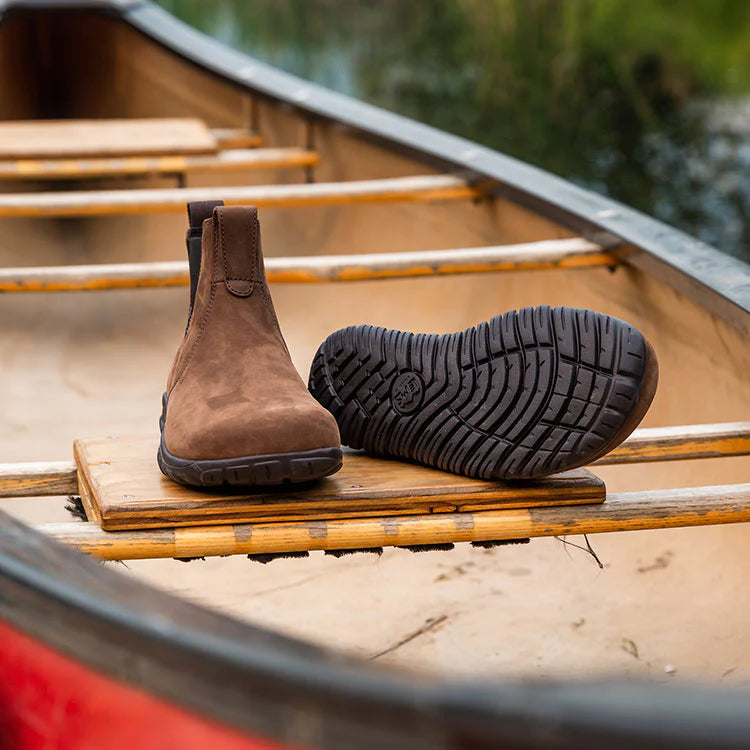



Flat feet are incredibly common, yet many people are immediately told they need more support, more cushioning, or rigid orthotics to “fix” the problem. That often leads people searching for insoles for flat feet, supportive sneakers, or heavily structured footwear designed to control movement.
While insoles can absolutely help in some situations, they’re not always the long-term solution many people believe them to be.
In many cases, flat feet are less about being broken and more about weak, underused foot muscles that have spent years inside restrictive shoes. Instead of helping your feet regain strength and function, constant support can sometimes prevent them from doing the very thing they’re designed to do naturally.
At Bprimal, we take a different approach to footwear for flat feet — one focused on restoring natural movement, improving foot strength, and helping your body move the way it was designed to.
Start Strengthening Your Feet Naturally 👣
Looking for better footwear for flat feet? Explore our range of barefoot shoes designed to support natural movement, healthy posture, and long-term foot strength.
What Are Flat Feet?
Flat feet, also called fallen arches, occur when the arches of the feet sit lower to the ground or collapse entirely during standing and walking. Some people are born with naturally flatter arches, while others develop flat feet over time due to inactivity, restrictive footwear, injury, pregnancy, or muscle weakness.
For some people, flat feet cause no discomfort at all. For others, they can contribute to:
-
Foot fatigue
-
Heel pain
-
Overpronation
-
Knee discomfort
-
Hip and lower back tension
-
Reduced balance and stability
This is often why people start searching for flat feet shoes or insoles for flat feet in the first place.
The important thing to understand is that flat feet aren’t automatically a dysfunction that must be “corrected.” In many cases, the foot simply needs better movement, more strength, and room to function naturally.
What Are Insoles for Flat Feet?
Insoles, also called orthotics or shoe inserts, are placed inside footwear to provide additional support, cushioning, and alignment.
They’re commonly recommended for people experiencing:
-
Arch pain
-
Plantar fasciitis
-
Foot fatigue
-
Overpronation
-
Knee or ankle discomfort
Traditional insoles for flat feet typically aim to hold the arch in a more elevated position while reducing strain on surrounding joints and tissues.
For some people, especially during painful flare-ups or transition periods, this support can provide meaningful short-term relief.
Recommended Insoles for Flat Feet

If you do need additional support while transitioning to more natural footwear, these options can help provide comfort without completely sacrificing movement.
P.R. Gear Bridge Soles – 3/4 Length Insoles with Met Pad
Designed to support arch alignment while relieving forefoot pressure, making them a useful option for people easing away from highly supportive footwear.
Freet Rock Plate 2 Insole
Ideal for trail use or firmer terrain when you want a little extra protection while still maintaining ground feel and flexibility.
Lems Primal Pursuit / Outlander Adventure Insoles
A comfortable option for everyday wear or outdoor adventures, offering light support while still encouraging natural movement.
The Problem With Relying on Arch Support Forever
Many traditional flat feet shoes are built around the idea that your feet need permanent support to function properly.
The issue is that when the arch is constantly supported externally, the muscles inside the foot may do less work over time.
That can potentially contribute to:
-
Reduced foot strength
-
Less natural mobility
-
Ongoing dependency on support
-
Reduced sensory feedback from the ground
-
Poor toe function and balance
This doesn’t mean insoles are bad. They can be incredibly helpful during recovery, periods of pain, or while transitioning away from heavily cushioned footwear.
However, relying on support indefinitely without addressing strength and movement may limit long-term improvement.
Barefoot Shoes vs Insoles for Flat Feet
Many people searching for the best shoes for flat feet are surprised to discover that minimalist or barefoot shoes can actually help improve comfort and foot function over time.
Unlike traditional supportive footwear, barefoot shoes are designed to let your feet move naturally.
That means the muscles, tendons, and arches inside your feet are encouraged to engage and strengthen with every step.
Why Barefoot Shoes Can Help Flat Feet
Natural Arch Activation
Instead of holding the arch up artificially, barefoot shoes encourage your foot muscles to support themselves naturally.
Wide Toe Box
A wider toe box allows the toes to spread naturally, improving balance, stability, and weight distribution.
Zero-Drop Sole
Zero-drop footwear keeps the heel and forefoot level, helping support more natural posture and movement.
Flexible Sole
Flexible soles improve ground feel and sensory feedback, which helps the feet adapt and move more naturally.
Recommended Barefoot Shoes for Flat Feet

If you’re looking for shoes for flat footed people that prioritise natural movement rather than excessive support, these are some of our favourite options.
Vivobarefoot
Vivobarefoot shoes are lightweight, flexible, and designed to maximise natural movement. They’re ideal for everyday wear, walking, training, and building foot strength.
Freet Shoes
Freet shoes are soft, breathable, and especially beginner-friendly, making them a great starting point for people transitioning away from traditional supportive footwear.
Lems Shoes
Lems offer a slightly more cushioned transition into minimalist footwear while still promoting natural movement and healthy foot mechanics.
What Are the Best Shoes for Flat Feet?
The best shoes to wear for flat feet depend entirely on your goals.
If you’re dealing with acute pain or recovering from injury, supportive insoles and structured footwear may provide temporary relief.
If your goal is stronger feet, improved mobility, and better long-term function, footwear that allows natural movement is often the better long-term strategy.
The best sneakers for people with flat feet should:
-
Allow natural foot movement
-
Have a wide toe box
-
Encourage muscle activation
-
Avoid excessive rigidity
-
Support healthy posture and alignment
For many people, the ideal solution is not maximum support, but the right balance between comfort, movement, and gradual strengthening.
Can You Use Insoles With Barefoot Shoes?
Yes — and for many people, this creates a far more sustainable transition.
You don’t necessarily need to jump straight from highly supportive footwear into ultra-minimal shoes overnight.
A gradual approach often works best:
-
Start with supportive insoles if needed
-
Wear barefoot shoes for shorter periods initially
-
Slowly reduce reliance on orthotics over time
-
Build foot strength progressively
This approach allows your body to adapt naturally without overwhelming tissues that may have been underused for years.
How to Transition Safely to Barefoot Shoes
Transitioning too quickly is one of the biggest mistakes people make when moving into minimalist footwear.
Your feet, calves, and lower legs may need time to rebuild strength and mobility.
To transition safely:
-
Start with short wear periods
-
Walk before running
-
Add simple foot-strengthening exercises
-
Spend time barefoot at home
-
Increase duration gradually
-
Avoid pushing through pain
Like any form of strengthening, adaptation takes time.
The goal isn’t to force your feet into discomfort — it’s to gradually restore natural function.
Do Insoles Fix Flat Feet?
Insoles can help manage symptoms, reduce discomfort, and improve comfort in the short term, but they don’t necessarily strengthen the feet themselves.
For many people, combining temporary support with exercises, movement, and better footwear choices creates a more sustainable long-term outcome.
That’s why many people are now moving away from heavily structured flat feet shoes and exploring minimalist footwear that supports natural movement instead.
FAQ: Insoles, Flat Feet & Barefoot Shoes
Are barefoot shoes good for flat feet?
For many people, yes. Barefoot shoes can help strengthen the muscles, tendons, and arches in the feet by encouraging natural movement instead of relying on constant external support.
That said, transitioning too quickly can sometimes cause discomfort if your feet have spent years inside highly cushioned or supportive footwear. Starting gradually and listening to your body is key.
Many people with flat feet find that minimalist footwear improves:
-
Foot strength
-
Balance and stability
-
Toe function
-
Posture
-
Overall comfort over time
Do insoles weaken your feet?
Insoles themselves are not inherently bad, and they can be extremely helpful during periods of pain, injury recovery, or transition.
However, relying on rigid support long term without strengthening the feet may reduce how much the muscles inside the feet engage naturally.
Think of insoles as a tool rather than a permanent solution.
For many people, the best long-term approach combines temporary support with foot-strengthening, natural movement, and footwear that allows the feet to function properly.
Can flat feet become stronger?
In many cases, yes.
Flat feet are often associated with weak or underused foot muscles rather than a structural problem that can never change.
Activities that may help improve strength and function include:
-
Walking barefoot safely
-
Wearing barefoot shoes
-
Foot mobility exercises
-
Toe strengthening exercises
-
Spending less time in rigid footwear
Like any part of the body, the feet adapt over time when given the opportunity to move and strengthen naturally.
Should people with flat feet wear arch support?
It depends on the individual and their current needs.
Some people benefit from temporary arch support during painful periods, injury recovery, or while transitioning away from highly supportive footwear.
Others may find that excessive support limits natural movement and contributes to long-term dependency.
The goal should not always be maximum support. Instead, it’s often more beneficial to gradually improve the foot’s own ability to support itself.
What shoes should flat-footed people avoid?
People with flat feet often struggle in shoes that are:
-
Narrow through the toe box
-
Extremely rigid
-
Highly elevated at the heel
-
Overly cushioned without flexibility
-
Designed to restrict natural foot movement
These types of shoes can limit toe function, reduce sensory feedback, and prevent the feet from moving naturally.
Instead, many people find that shoes with:
-
Wide toe boxes
-
Flexible soles
-
Zero-drop platforms
-
Natural movement design
feel more comfortable and supportive over time.
Final Thoughts: Support When Needed, Strength for the Long Term
Insoles for flat feet can absolutely play a role in improving comfort and reducing pain, especially during transition periods or flare-ups.
But long-term foot health often requires more than external support alone.
By choosing footwear for flat feet that allows natural movement and gradually rebuilding strength, many people experience improvements in comfort, posture, balance, and mobility over time.
Your feet were designed to move.
Sometimes, giving them the opportunity to function naturally is the most supportive thing you can do.
Ready to Upgrade Your Footwear?
Start building stronger, healthier feet naturally.
Available online or visit us in-store for personalised fitting advice.