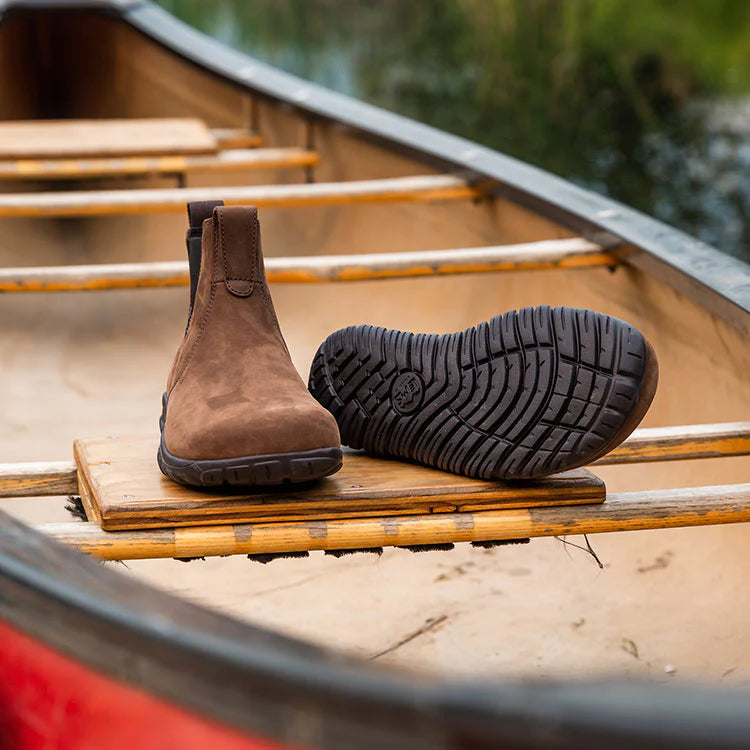



Our toes do far more than simply fit inside our shoes. They help us balance, absorb forces, stabilise the foot and generate propulsion with every step. Yet many modern shoes compress the forefoot, limiting natural toe movement.
Research increasingly shows that footwear fit—particularly toe-box width—can influence toe alignment, pressure distribution, comfort and long-term foot function. While footwear is only one factor among many, choosing shoes that allow the forefoot to move naturally may help support healthier feet.
Looking for footwear that lets your feet move naturally? Explore Bprimal's range of barefoot shoes designed with wide, foot-shaped toe boxes that respect natural foot anatomy.
Why Your Toes Matter More Than You Think
Many people think the toes simply come along for the ride during walking. Research suggests otherwise.
A laboratory study published in the Journal of Experimental Biology found that the toes play an important role during the final phase of walking by contributing to support, stability and forward propulsion. Rather than being passive structures, the toes act as functional levers that help move the body efficiently.
When the toes cannot spread or function naturally, the mechanics of walking may also change.
Toe Space and Bunions: What Does the Evidence Say?
Hallux valgus (commonly called a bunion) develops from a combination of factors including genetics, foot structure and mechanical loading. Footwear is considered one potentially modifiable factor.
A cross-sectional study published in the Journal of Rheumatology found that individuals—particularly women—with a history of wearing narrow or constrictive footwear were more likely to have hallux valgus.
Importantly, this study shows an association, not proof that footwear alone causes bunions.
Supporting these findings, a 2020 systematic review concluded that narrow toe boxes and high heels were consistently associated with hallux valgus across multiple studies, although the overall quality of evidence varied.
This suggests that while genetics cannot be changed, selecting footwear with adequate toe space is one factor people can control.
What Happens Inside a Narrow Toe Box?

Footwear doesn't simply cover the foot—it changes how forces are distributed across it.
A controlled laboratory study comparing different toe-box shapes found that narrower designs increased toe compression while also altering pressure beneath the forefoot.
When toes are compressed together, they have less opportunity to spread naturally during weight-bearing. Over time, this may increase stress on structures at the front of the foot.
Do Your Shoes Actually Fit?
Research suggests many people wear shoes that are either too narrow or the wrong length.
A 2018 review in the Journal of Foot and Ankle Research reported that incorrectly fitted footwear is common and is associated with foot pain and several foot disorders.
Good shoe fit means more than choosing the correct length. Width, toe-box shape and overall foot volume all contribute to comfort and healthy foot mechanics.
Signs Your Shoes May Be Too Narrow
-
Your toes overlap or rub together.
-
You notice numbness or tingling after walking.
-
You develop pressure points or calluses around the toes.
-
The upper material stretches tightly across the forefoot.
-
You feel relief immediately after taking your shoes off.
Can Footwear History Affect Future Foot Comfort?
Footwear choices made over many years may influence how feet feel later in life.
A large population-based study found that women with a history of wearing supportive but constrictive footwear reported more foot pain than those who wore lower-risk shoe types.
While many factors contribute to foot pain, this research highlights that long-term footwear habits may play a role.
Strong Toes Help Support Balance
Toe strength becomes increasingly important as we age.
A study published in Clinical Biomechanics found that lower toe flexor strength was associated with poorer balance and a greater risk of falls in older adults.
A prospective cohort study also found that toe weakness and disabling foot pain predicted future falls.
Healthy toe function supports stability, especially during standing, walking and changing direction.
Can Toe Exercises Help?

Footwear is only one piece of the puzzle.
A randomised trial investigating toe-spread exercises found improvements in abductor hallucis muscle activity and small improvements in hallux valgus alignment among people with mild bunions.
Researchers did not conclude that exercises reverse bunions, but they may help improve muscle function around the big toe.
Simple toe mobility and strengthening exercises may complement appropriately fitted footwear.
How Barefoot Shoes May Support Forefoot Function
Barefoot shoes are designed to allow the foot to move more naturally rather than forcing it into a tapered shape.
Many barefoot shoes feature:
-
A wide, foot-shaped toe box that allows the toes to spread naturally.
-
Flexible soles that let the forefoot bend during walking.
-
Zero-drop platforms that encourage natural alignment.
-
Lightweight construction that minimises unnecessary restriction.
Current research does not show that barefoot shoes prevent bunions or cure foot pain. However, the available evidence suggests that roomy, correctly fitted footwear reduces unnecessary forefoot compression, making barefoot shoes a practical option for people wanting to support natural toe movement.
A 2021 systematic review concluded that toe-box width, heel height and overall shoe fit influence forefoot pressure and symptoms, supporting the importance of selecting footwear that accommodates the natural shape of the foot.
A Forefoot-Friendly Shoe Checklist
When choosing footwear, look for:
-
✓ A toe box that matches the natural shape of your foot.
-
✓ Enough width for your toes to spread comfortably.
-
✓ Adequate length without pressing on the longest toe.
-
✓ Flexible forefoot construction.
-
✓ Secure fit through the midfoot without squeezing the toes.
Remember that comfort should be assessed while standing and walking, not simply when sitting down.
The Bottom Line
The research consistently highlights one important message: your toes need space to function.
Studies suggest that narrow toe boxes can increase toe compression, alter forefoot pressures and are associated with conditions such as hallux valgus. Other research shows that strong, functional toes contribute to walking efficiency, balance and stability, particularly as we age.
While footwear is only one factor influencing foot health, choosing shoes with a roomy, well-fitted toe box—combined with maintaining foot strength and mobility—may help support healthier forefoot function over time.
If you're looking to give your feet more room to move, explore Bprimal's collection of barefoot shoes designed with foot-shaped toe boxes that prioritise natural movement and everyday comfort.