


Have you ever gotten out of bed and felt a stabbing pain in your heels as soon as you tried to walk? Well, that could very well be the first and most obvious indication that you have plantar fasciitis.
At Bprimal, we take a slightly different approach to plantar fasciitis. Instead of just supporting the foot, we focus on restoring natural strength and movement using barefoot shoes and simple foot strengthening tools.
For those of you who are not familiar with the plantar fascia, it is the tissue underneath your foot which connects the base of your toes to the heel bone. The tissue is made up of a thick, fibrous band that provides adequate support for the soles of the feet, and plays a crucial part in one’s overall foot mechanics when performing activities that involve moving the feet.
Apart from heel pain in general, more specific symptoms of plantar fasciitis include pain experienced around the heel region when weight is placed on the foot after a long period of sitting or lying down; standing up or walking will deliver a sudden pain that will gradually subside but often remains to some degree.
While plantar fasciitis can affect anyone, people who are most prone to it often have weaker foot muscles, limited ankle mobility, or experience sudden increases in activity like walking or running.
Long-term use of restrictive or heavily cushioned footwear can also play a role, as it reduces the natural function of the foot over time. When the foot isn’t functioning as it should, certain muscles become weaker while others are forced to take on more load. Over time, this places extra strain on the plantar fascia, leading to irritation and pain.
So, can you fix plantar fasciitis and do away with the pain? Well, early treatment is always advised to successfully get rid of plantar fasciitis, however, regardless of when you start working towards alleviating the pain, it should be noted that the results vary from person to person. It may take several months for some individuals to see an improvement while others get relief much more quickly.
Nevertheless, if you are suffering from plantar fasciitis, here is what you can do to fix the painful problem. Read on!
5 Tips to Fix Plantar Fasciitis
Pain management is never easy, especially when you have an otherwise active lifestyle or a demanding occupation. It requires time and patience to work on relieving the symptoms of fasciitis, however, with that said, you’ll be happy to know that these treatments are fairly simple to do at home, as well as at your workplace if/when you have the time and space for it. Some of these tried and tested methods to fix plantar fasciitis provide quick relief from heel pain, and leave the soles of your feet feeling more relaxed and limber. Take a look below.
1. Roll Your Feet with a Ball

Using a cork ball or roller to roll your feet acts as a gentle massage for your heels and arches which, in turn, increases blood flow to these areas. It can provide immediate relief from pain although rolling over sensitive parts of the heels may feel uncomfortable or painful at the time. The goal is to apply a fixed and constant amount of pressure (not too much that it causes shooting pain) when rolling different areas of your feet, spending at least 15-20 seconds in each region. Do this 2-3 times a day for relief from plantar fasciitis.
2. Stretch Your Plantar Fascia

The plantar fascia ligament needs to be strong and flexible in order to prevent or relieve pain caused by the disorder. Stretching is an excellent and proven way to heal or improve symptoms of plantar fasciitis and, best of all, it only takes a few minutes to do it.
Morning Plantar Fasciitis Exercise #1: Point & Flex
Do this exercise each morning to help you warm up the soft tissues in your feet and legs so that you can safely perform the rest of the exercises.
Step 1: Sit upright with your legs in front of you in bed.
Step 2: Point your toes downward as far as you can, hold the position for a few seconds, then flex your toes back up as far as you can.
Repeat this exercise 10 times.
Morning Plantar Fasciitis Exercise #2: Towel or Band Stretch
Step 1: Sit upright with your legs in front of you in bed.
Step 2: Wrap the towel or band around the ball of one foot, holding onto it with one hand on each side of your leg.
Step 3: Sit up as straight as possible and use your arm strength to pull the ball of the foot into a flexed position without using your foot muscles.
Step 4: Hold for 20-30 seconds and repeat on the other side.
Repeat this exercise 5-10 times. Make sure that the towel or band is wrapped around the ball of the foot and not just the toes, this will ensure a better stretch for the plantar fascia ligament.
Morning Heel Pain Exercise #3: Massage
After you have performed the warm up and the stretch exercises, finish with a massage!
This will help direct more blood flow to your plantar fascia, as well as stretching and warming up the muscles and ligaments to help prepare them for your body weight when you get out of bed.
Step 1: Bend your leg toward you so that you can comfortably massage the bottom of your foot.
Step 2: Starting at the inner edge of the arch and working toward the outer edge of the arch, use gentle pressure to work your thumbs into the plantar fascia tissue.
Step 4: Massage your fingers back and forth across the arch and heel using gentle pressure for about five minutes.
You can explore more foot strengthening exercises here.
3. Support the Foot While You Rebuild Strength

While tools like splints aim to hold the foot in position, they don’t address how your foot functions during the day.
A more effective approach is to support the foot while you work on restoring strength and movement.
This is where a transitional insole can help.
Insoles like the PR Gear Bridge Soles, with a built-in metatarsal pad, can:
-
Help redistribute pressure away from the heel
-
Support the arch without restricting movement
-
Encourage better load through the forefoot
They can be especially useful if you're on your feet all day or not quite ready to transition fully into barefoot shoes.
The goal isn’t to rely on support forever — but to use it as a tool while you rebuild natural foot strength and function.
As your symptoms settle, the next step is to start rebuilding strength in the plantar fascia.
One of the most effective ways to do this is through targeted loading.
Tools like the Fasciitis Fighter are designed specifically for this, allowing you to progressively strengthen the foot and improve load tolerance over time.
This helps address the root cause — not just the symptoms.
Explore the Fasciitis Fighter R2

4. Manage Pain While Supporting Healing
Reducing pain is important — especially in the early stages.
Ice can help temporarily numb pain and reduce inflammation. However, it also restricts blood flow, which may slow down the healing process if overused.
For ongoing recovery, increasing circulation is key.
This is where heat, gentle movement, and foot massage can be more effective:
-
Warm foot soaks
-
Heat packs

These methods help bring blood flow to the area, supporting tissue repair and long-term healing.
Try using a foot roller daily to improve circulation and reduce tension
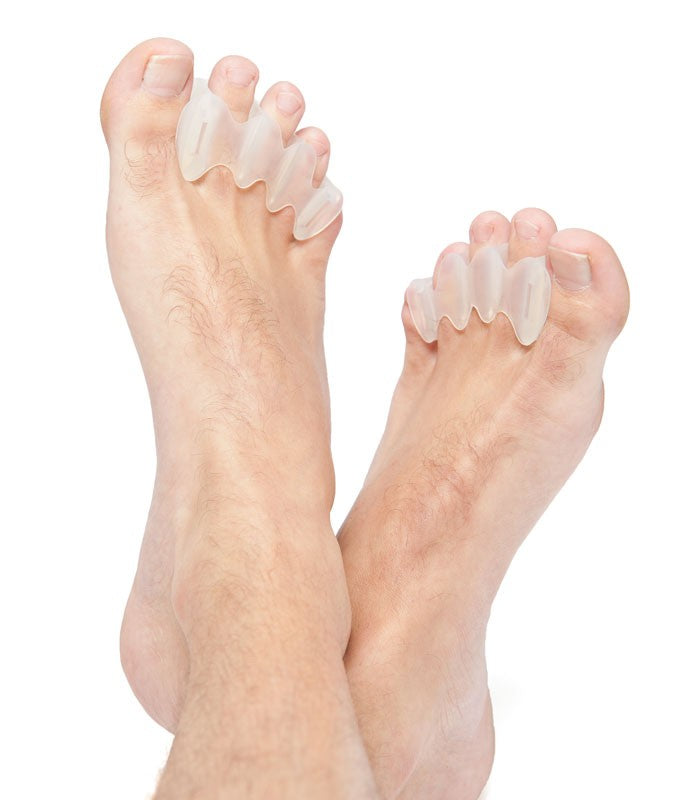
5. Use Toe Separators
Long term use of shoes with narrow toe boxes can cause your toes to curl inward, as well as shorten the plantar fascia ligament. When this happens, the ligament also becomes tense which leads to pain and discomfort. Using toe separators will help undo the damage that unhealthy footwear has caused by stretching and strengthening the tendons, and improving blood flow to your feet. For first-time users, toe separators can be worn 15 minutes a day while in a seated or sleeping position. For best results wearing while active is recommended. Whether you're easing into natural movement or supporting recovery, these spacers help strengthen and open up your feet—just as nature intended.

At Bprimal, we believe in giving your feet the space they deserve. Our toe spacers are simple, effective tools for anyone on the journey to healthier, more mobile, and pain-free movement. Align, Strengthen and Restore with Correct Toes.
The symptoms of plantar fasciitis can range from mildly painful to intense chronic pain and discomfort. Fortunately, it is not something you need to live with so long as you take the time to learn how to fix plantar fasciitis, and subsequently incorporate a few at-home treatments to your daily routine. Along with these top five tips to fix plantar fasciitis, resting your feet while they heal is also important. You don’t want to overwork them in ways that are doing more harm than good but rather, improve heel pain and other symptoms with safe and appropriate treatments. With consistent efforts everyday, you will be able to get rid of plantar fasciitis and even prevent it from returning. Depending on the severity of the pain, it is advisable to seek medical advice from an experienced functional podiatrist for the best course of treatment as per your symptoms and day-to-day life.
Choose the Right Footwear (Long-Term Fix)

Footwear plays a major role in both causing and fixing plantar fasciitis.
Traditional shoes often:
-
Elevate the heel
-
Restrict toe movement
-
Reduce natural foot function over time
This can lead to weaker feet and increased strain on the plantar fascia.
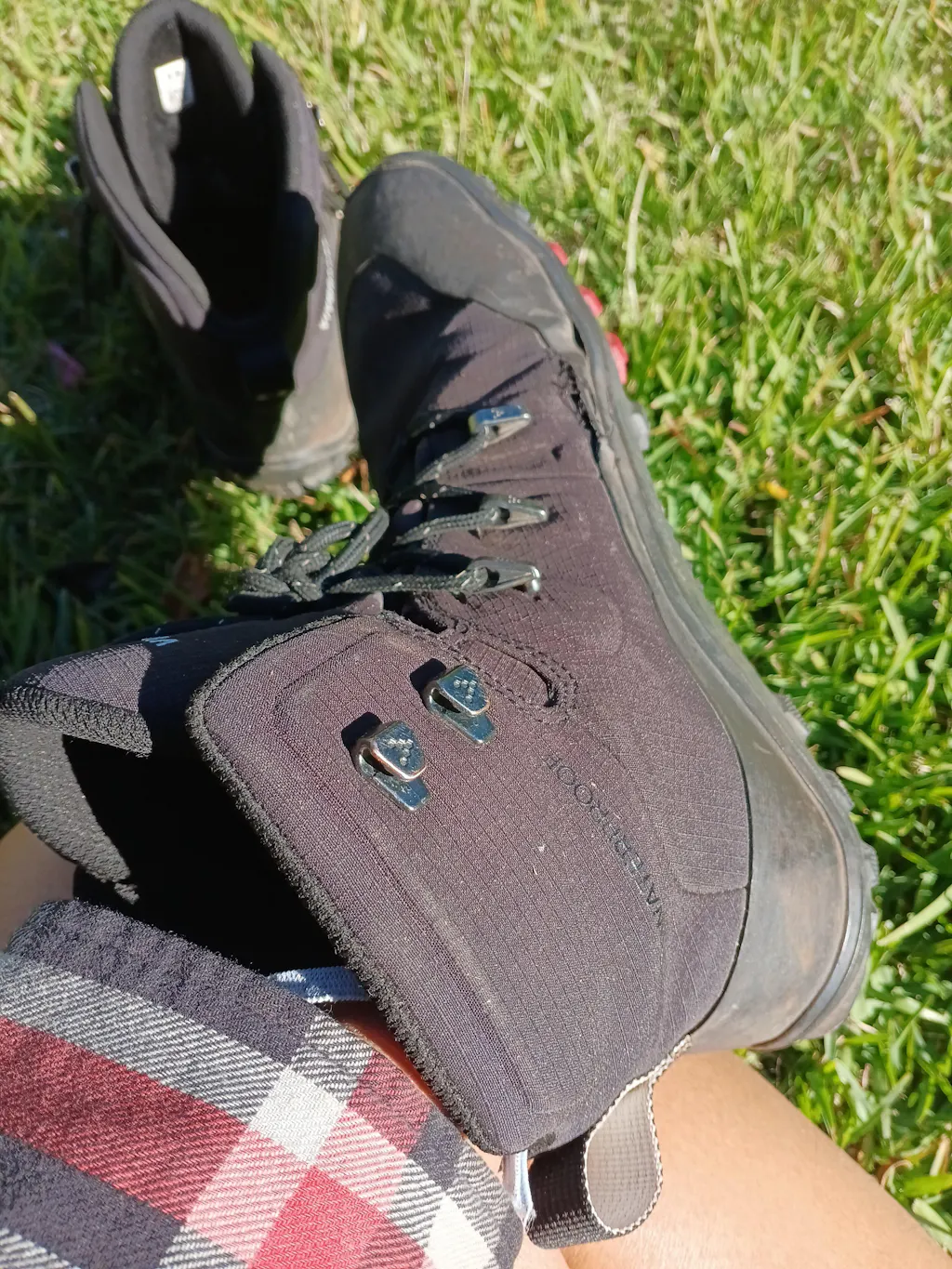
Barefoot shoes take a different approach, allowing your feet to move naturally and rebuild strength over time.
However, if you’re currently dealing with plantar fasciitis, jumping straight into very thin, minimal shoes can sometimes aggravate symptoms.
Starting with a slightly more cushioned, foot-shaped shoe can be a better option while your feet adapt.
These “transition” styles:
-
Still allow natural toe splay
-
Keep a flat (zero drop) position
-
Provide a bit more cushioning for comfort
Explore our barefoot and transition shoes
Over time, as your feet get stronger, you can gradually move toward more minimal footwear.
🚨Transition slowly — your feet need time to adapt.
Recommended Tools for Plantar Fasciitis
If you're working through plantar fasciitis, these tools can help support your recovery:
At bprimal, we work with shoemakers and brands who create natural footwear that are made to encourage better foot health by repairing the damage caused by long term use of modern shoes. These minimalist or healthy footwear alternatives ensure proper preservation of one’s natural foot shape and function thanks to their inclusion of all the design specifics needed to achieve optimal foot health. Some of these features include wide toe boxes, slim and flexible soles, and no heel elevation. Our involvement and interaction with people who create and promote products that help individuals fix their foot problems has also inspired us to spread crucial awareness – relating to prioritising foot health as told by the experts – via our blog.
Learn More - check out bprimal educational articles here, and browse through the different brands and collections of natural footwear and foot health restoration products we carry.