


When was the last time you walked barefoot? Did you notice how different it was when you walked barefoot compared to when you have shoes on? You may have noticed your posture and balance was a bit better when you were barefoot. Being barefoot allows your feet & toes to stretch & contract with no restrictions as you feel the ground beneath them.
You may also suffer from pain in the back, hips, knees, or ankles and you also may find that you have a high foot arch that has been weakened by the false-work in conventional shoes. If any of this sounds familiar to you, then you should consider choosing footwear that is flat, flexible and foot shaped.
Our feet are an extension of the rest of our body and happen to be one of the most used parts. Therefore, it is important that we do what we can to help strengthen and realign our feet, so we can lessen pain, improve our posture, and be able to withstand being on our feet for extended amounts of time.
The Natural Foot Form
It is always best to consider the natural form and shape of our feet. We want to wear shoes that adapt and form to our feet, rather than shoes that may ultimately change the shape of our feet. Our feet are made with several different moving parts including muscles, tendons, and other connective tissue that all need to work together to help alleviate or stop pain altogether.
Our feet are the ultimate support for the rest of our body, and our weight so supportive shoes need to be able to help us distribute the weight evenly and provide the support our feet need to secure a firm and stable foundation for the rest of our body.

Maintain Balance
Balance is another benefit we can experience with the right footwear and support. Toe spacers are effective at helping to improve our toe alignment, overall foot structure, muscle strength, and circulation. They can also help us to improve our balance.
Decreased balance can lead to unsteadiness on the feet and can cause injury to the ankles, knees, back, or other parts of the body. Toe spacers can also help improve performance and minimise the risk of ingrown toenails, heel pain, and even runner’s knee.
They are a nonsurgical solution to try to help alleviate pain, improve balance and assist in correcting early arising issues. All of which will offer better toe and arch support and stronger and healthier feet.
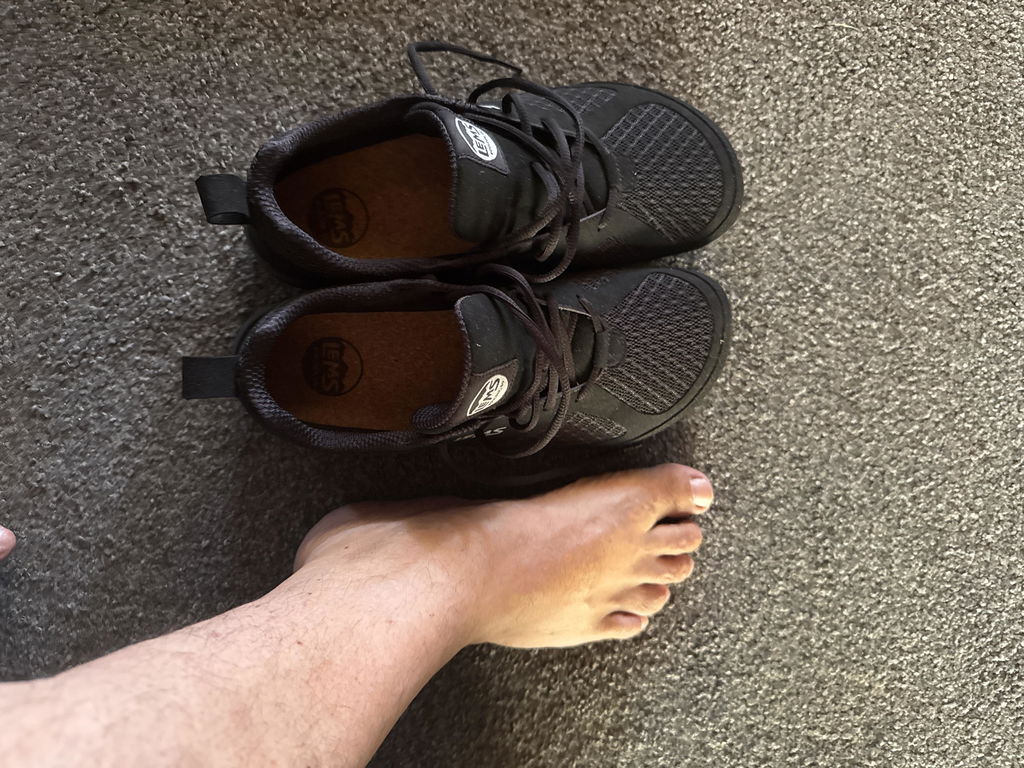
In addition to the toe spacers, a minimalist and simply designed shoes that conform to the natural shape of the foot is also recommended as proper support for the rest of the body. After all our body's alignment and posture starts with the feet.